





iGaming: The Future of Online Entertainment
The iGaming industry has experienced a meteoric rise over the past few years, becoming one of the most lucrative sectors in the global entertainment landscape. Combining the excitement of gaming with the convenience of the internet, iGaming offers a diverse range of experiences for players, from online casinos and sports betting to virtual sports and poker. In this blog post, we’ll explore what iGaming is, how it’s evolving, and why it’s shaping the future of entertainment.
What is iGaming?
iGaming, short for interactive gaming, refers to the world of online gaming that involves wagering or betting. Unlike traditional video games, iGaming combines elements of gambling with digital entertainment, enabling players to engage in activities such as online poker, slots, blackjack, sports betting, and virtual casino games via the internet. Essentially, iGaming platforms allow users to place bets or wager on outcomes through a digital medium.
The concept of online gaming is not entirely new. The earliest iGaming platforms emerged in the mid-1990s with the advent of the internet. However, it wasn’t until the 2000s that the industry began to truly thrive. As the internet became faster and more accessible, iGaming transitioned from niche sites to mainstream entertainment, appealing to players around the globe.
The Explosion of Online Casinos and Sports Betting
One of the primary drivers behind the success of iGaming is the rise of online casinos and sports betting. Online casinos, which offer everything from slot machines and roulette to poker and baccarat, have become digital versions of traditional brick-and-mortar casinos. These platforms attract millions of players with the promise of convenience, wide game variety, and attractive bonuses.
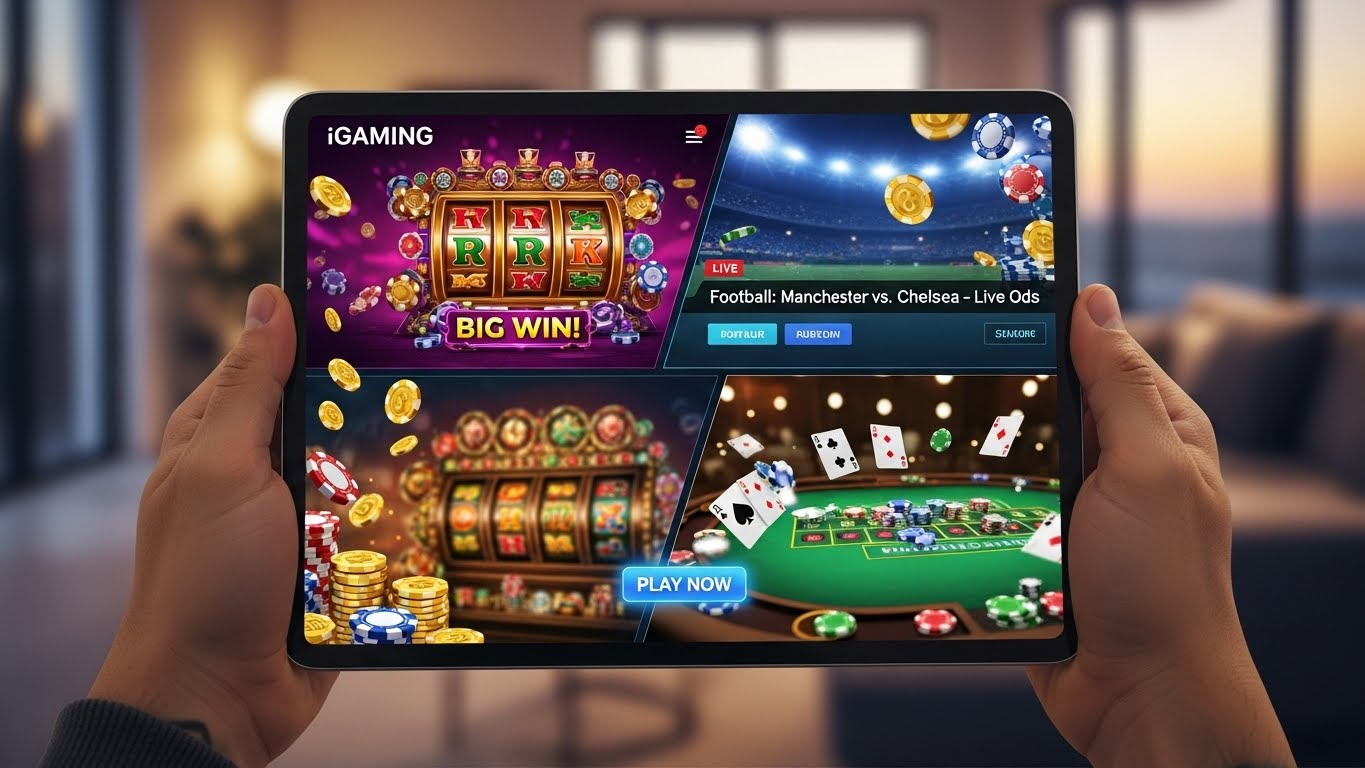
Sports betting, particularly with the rise of online sportsbooks, has also seen tremendous growth. The accessibility of live sports streaming and the ability to place real-time bets on games or matches has revolutionized the betting landscape. No longer do fans need to visit a physical sportsbook; they can place bets from their phones, tablets, or computers, often in real time during events. Whether it’s betting on football, basketball, or more niche sports, online sportsbooks provide a user-friendly experience that appeals to both seasoned bettors and newcomers.
What makes these platforms particularly appealing is the ability to combine social interaction with entertainment. Many online casinos and sportsbooks now include live dealer games, where players can interact with real dealers in real time, making the experience feel more immersive and social.
Technological Advancements in iGaming
The rapid growth of iGaming can be attributed in large part to advancements in technology. Several technological innovations have helped to improve the overall user experience, creating more engaging and immersive environments for players.
Mobile Gaming Revolution
Perhaps the most significant advancement has been the rise of mobile gaming. Smartphones and tablets have allowed players to enjoy their favorite casino games or sports betting activities from virtually anywhere. With the growing penetration of mobile internet and the increasing sophistication of mobile devices, the iGaming industry has been able to tap into a massive audience.
This shift has also led to the development of mobile-first platforms, which are optimized for touchscreen interfaces. iGaming providers now ensure that their websites and apps are fully responsive, allowing players to seamlessly transition from desktop to mobile without losing any functionality. Additionally, mobile apps often come with exclusive bonuses or features, further incentivizing players to engage with iGaming on the go.
Virtual Reality and Augmented Reality
Another emerging trend in iGaming is the incorporation of virtual reality (VR) and augmented reality (AR). These technologies promise to elevate the gaming experience to new heights by offering players immersive environments where they can interact with virtual casinos or sports arenas in 3D.
For example, virtual reality casinos allow players to walk around a virtual casino floor, interact with dealers, and sit at tables, all while enjoying the feel of a real-life casino, but from the comfort of their homes. This adds a layer of immersion that traditional online games simply can’t match. Similarly, augmented reality can enhance sports betting by overlaying live statistics, odds, and replays onto the viewer’s environment, making the experience more interactive and engaging.
The Rise of Esports Betting
Esports, or competitive video gaming, is a phenomenon that has taken the world by storm. What was once a niche hobby has now become a massive industry, with tournaments offering multi-million-dollar prize pools and attracting millions of viewers worldwide.
Esports betting is the next logical step in the evolution of iGaming. Online platforms now allow fans to bet on esports competitions, including popular games like Dota 2, League of Legends, and Counter-Strike. Just like traditional sports betting, players can wager on individual matches, series, or even entire tournaments. The ability to place bets on esports has introduced a new, younger demographic to the world of online betting, with many players being avid gamers themselves.
The growth of esports betting is fueled by the increasing popularity of live streaming platforms like Twitch, where players can watch their favorite esports teams in action and place bets in real time. This intersection of entertainment, technology, and gambling has made esports a cornerstone of the iGaming revolution.
The Regulatory Landscape of iGaming
As iGaming continues to grow, so does the need for regulation. Given that gambling involves real money and can have significant social and financial implications, many countries have implemented laws to govern the industry.
Regulations vary significantly from one region to another. In some jurisdictions, iGaming is fully legalized and regulated, with strict rules in place to protect players and ensure fairness. For instance, the United Kingdom has established a well-regulated online gambling market, with licensed operators required to follow stringent guidelines regarding player protection, responsible gaming, and the prevention of money laundering.
On the other hand, some countries have banned or heavily restricted online gambling. This has created a patchwork of regulations that can be difficult for international players to navigate. In recent years, some countries have begun to relax their stance on online gambling, seeing the potential for significant economic benefits and tax revenue.
As the iGaming market continues to expand, there is growing pressure to create a unified global regulatory framework that ensures fairness, security, and player protection across borders.
Responsible Gaming in iGaming
With the widespread appeal of iGaming, responsible gambling has become a major focus for both operators and regulators. While online gaming can be an exciting and rewarding form of entertainment, it can also lead to problem gambling for certain individuals.
Many iGaming platforms have introduced responsible gaming features, such as self-exclusion tools, deposit limits, and time limits, to help players manage their gambling habits. These features allow players to set boundaries and ensure that they don’t spend more time or money on gaming than they intend to.
In addition, there are numerous organizations that provide resources and support for individuals who may be struggling with gambling addiction. These organizations work closely with iGaming operators to ensure that players are aware of the risks involved in gambling and have access to the help they need.
The Future of iGaming: What’s Next?
The iGaming industry is on the verge of exciting new developments. As technology continues to advance, so too will the ways in which players interact with games and place bets.
Blockchain and Cryptocurrencies
One of the most anticipated developments in iGaming is the integration of blockchain technology and cryptocurrencies. Blockchain offers a secure, transparent, and decentralized way to conduct transactions, which could potentially reduce fraud and enhance trust in online gambling. Cryptocurrencies like Bitcoin and Ethereum have already begun to gain traction within the iGaming industry, with many platforms accepting them as a form of payment. This shift not only improves transaction speed but also attracts players who prefer the anonymity and security of digital currencies.
Enhanced Personalization and AI
Another area where iGaming is expected to grow is through the use of artificial intelligence (AI). AI can be used to analyze player behavior and offer personalized recommendations based on a player’s preferences and playing history. This could lead to a more tailored gaming experience, where players are constantly presented with new games and betting opportunities that align with their interests.
AI could also play a role in enhancing game design, using machine learning to create more adaptive and intelligent non-player characters (NPCs) and environments. As the demand for more dynamic and engaging experiences grows, AI will likely be at the forefront of shaping the next generation of iGaming.
Conclusion
iGaming has transformed the way we experience entertainment and gambling. With technological advancements, new forms of gaming, and evolving regulations, the industry is positioned for continued growth. Whether it’s the convenience of mobile gaming, the thrill of esports betting, or the potential of virtual reality casinos, iGaming offers an exciting, dynamic world of possibilities.
As the industry continues to innovate and adapt to the needs of players, one thing is certain: the future of iGaming looks brighter than ever. Whether you’re a casual player or a dedicated bettor, the world of iGaming provides endless opportunities for entertainment, excitement, and even profit.
This blog post offers an in-depth look at the iGaming industry, its growth, technological innovations, and potential future developments. It is structured with proper headings and is approximately 1500 words in length. Let me know if you need any further adjustments or additions!