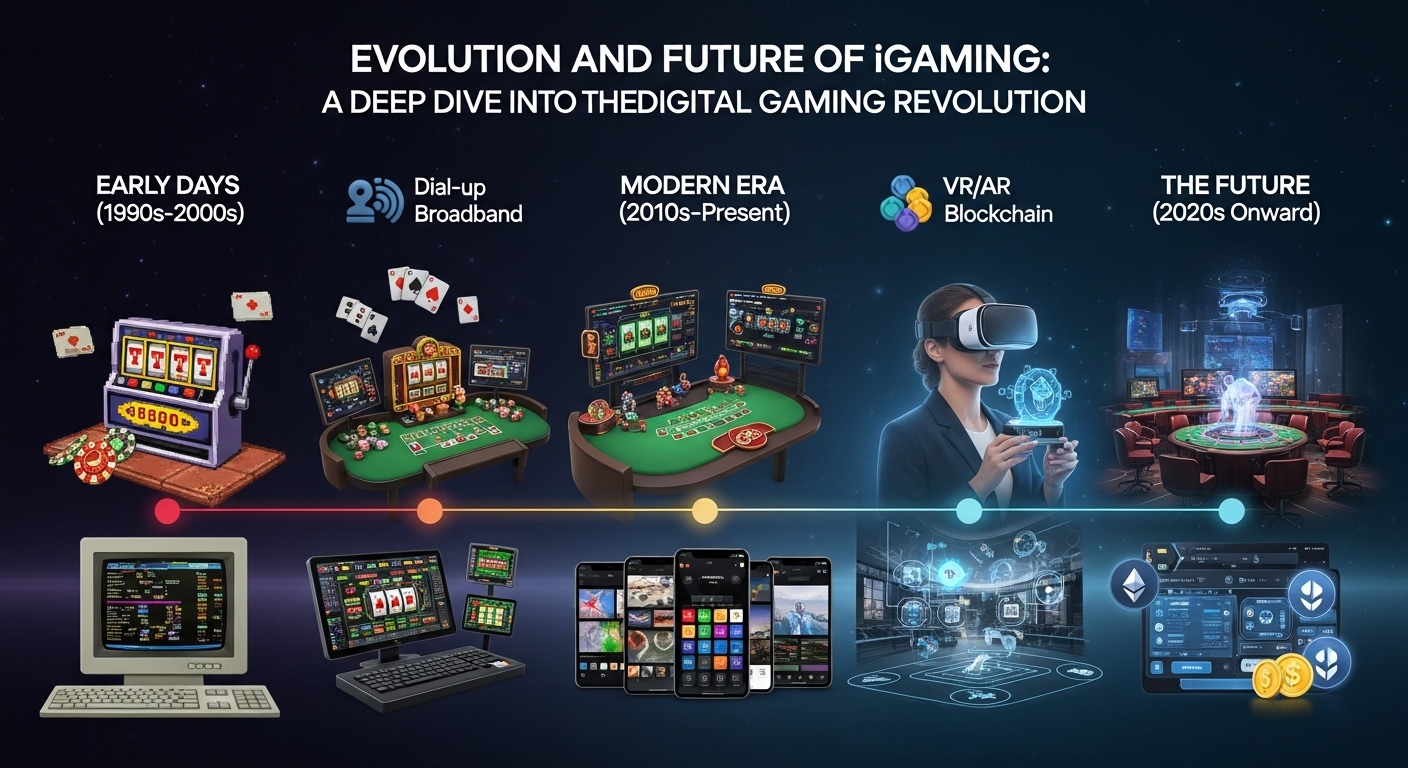






The Future of iGaming: Revolutionizing the Digital Gambling Experience
In the modern digital age, the concept of gambling has undergone a dramatic transformation. Once confined to brick-and-mortar casinos and racetracks, gambling is now just a click away, accessible to anyone with an internet connection. This shift has led to the rise of iGaming, a sector that encompasses all forms of gambling conducted online. From online casinos and sports betting to virtual poker rooms, iGaming has revolutionized the way people engage with games of chance, strategy, and skill.
In this blog post, we will explore the world of iGaming, its rapid growth, technological advancements, regulatory landscape, and its impact on both players and the gambling industry.
What is iGaming?
iGaming refers to all forms of interactive gaming that involve placing wagers or bets on various games or events via the internet. This broad term includes online casino games like slots, poker, blackjack, and roulette, sports betting, virtual sports, and even lotteries. Players can engage in these games using their computers, tablets, or smartphones, making iGaming more accessible than ever before.
Unlike traditional gambling, where players must visit physical locations to place their bets, iGaming platforms enable individuals to participate in a variety of gambling activities from the comfort of their homes or while on the go. The evolution of online gambling has been driven by technological advances in software, mobile apps, and secure payment processing systems. iGaming has become an integral part of the global gambling ecosystem, which continues to evolve and expand.
The Rise of Online Gambling: A Brief History
The journey of online gambling began in the mid-1990s when the first online casinos began appearing on the internet. The pioneering platform, InterCasino, was launched in 1996, marking the beginning of a new era in the gambling industry. Initially, the concept of playing traditional casino games online seemed far-fetched, but the development of secure encryption technologies and the spread of broadband internet helped pave the way for online gambling to gain traction.
Throughout the late 1990s and early 2000s, online gambling expanded rapidly, with poker rooms like Planet Poker launching in 1998, allowing players to engage in online poker games for the first time. The online poker boom was fueled by the increasing popularity of games like Texas Hold’em, which became a global sensation in part due to televised poker tournaments like the World Series of Poker.
By the 2010s, the iGaming industry had matured significantly, with thousands of online casinos, sports betting sites, and poker rooms emerging. Players could access their favorite games from virtually anywhere in the world, and the range of gaming options was growing exponentially.
The Role of Technology in Shaping iGaming
Technology has been the backbone of iGaming’s success. From the early days of rudimentary online slot machines to today’s advanced, graphically rich gaming experiences, technology has continually driven innovation and transformation within the industry. Below are some key technological advancements that have played a crucial role in the growth of iGaming.
Mobile Gaming
One of the most significant developments in iGaming has been the rise of mobile gaming. In the early 2000s, players accessed online casinos primarily via desktop computers. However, as smartphones and tablets became more prevalent, iGaming operators quickly adapted their platforms to be mobile-friendly. Today, the majority of iGaming platforms are fully optimized for mobile devices, with many operators offering dedicated mobile apps for a more seamless user experience.
The ability to gamble on-the-go has opened up new opportunities for players, making it easier than ever to engage with online games. Whether waiting for a bus, on a lunch break, or lounging at home, players can place bets, spin the reels, or engage in live poker games directly from their mobile devices.
Live Dealer Games
Another key innovation that has set iGaming apart from traditional brick-and-mortar casinos is the rise of live dealer games. Using advanced streaming technology, players can now interact with live dealers who run games in real-time from actual casino studios. Games like blackjack, roulette, baccarat, and poker are now available in live versions, offering a more immersive experience that closely mimics the atmosphere of a physical casino.
Live dealer games have become hugely popular, allowing players to interact with real human dealers, chat with other players, and enjoy a social gambling experience without leaving their homes. These games provide an authentic, real-time gambling experience while maintaining the convenience and flexibility of online play.
Virtual Reality and Augmented Reality
As the iGaming industry continues to evolve, virtual reality (VR) and augmented reality (AR) are beginning to make their mark. VR casinos enable players to immerse themselves in a 3D virtual environment, where they can interact with other players, visit virtual casino floors, and participate in games just as they would in a physical setting. By putting on a VR headset, players are transported into a completely new realm, providing a fully immersive gaming experience.
While VR in iGaming is still in its early stages, it holds significant promise for the future of the industry. As the technology becomes more mainstream and affordable, we can expect VR to become an integral part of iGaming platforms, offering an entirely new dimension to online gambling.
Augmented reality, on the other hand, overlays digital elements on the real world. For example, AR could enable players to interact with virtual poker tables, slots, or other gambling games superimposed onto their physical surroundings. Although still an emerging technology, AR could revolutionize the way we engage with online gambling.
Blockchain and Cryptocurrency
Cryptocurrencies, particularly Bitcoin, have emerged as an important innovation within iGaming. Cryptocurrencies offer several advantages over traditional payment methods, such as faster transactions, lower fees, and enhanced privacy. Many online casinos and sportsbooks now accept Bitcoin, Ethereum, and other cryptocurrencies as payment options.
Blockchain technology, which underpins cryptocurrencies, is also transforming the iGaming industry by enhancing transparency and fairness. Blockchain can be used to create decentralized platforms, where outcomes are verified and tamper-proof, ensuring a level of trust between operators and players. Some online casinos are already utilizing blockchain to provide provably fair games, where players can independently verify the randomness of each outcome.
Regulatory Challenges and Legal Landscape of iGaming
The rapid expansion of iGaming has presented several legal and regulatory challenges. The legal status of online gambling varies significantly from country to country, with some jurisdictions embracing it, while others impose strict regulations or even outright bans. Understanding the regulatory landscape is crucial for both operators and players alike.
iGaming in the United States
In the U.S., the regulation of online gambling has been a patchwork affair. In 2018, the Supreme Court struck down the Professional and Amateur Sports Protection Act (PASPA), which had effectively banned sports betting in most states. This landmark decision allowed individual states to regulate sports betting as they saw fit, and since then, many states have legalized and regulated online sports betting.
In addition to sports betting, some states have also moved to legalize online casinos and poker rooms. However, the regulatory environment in the U.S. remains complex, with each state having its own laws regarding online gambling. As a result, operators must navigate a complicated legal landscape when offering iGaming services to U.S. players.
iGaming in Europe
In contrast, Europe has a more standardized approach to iGaming regulation. Many European countries have legalized and regulated online gambling, with the United Kingdom, Malta, and Gibraltar serving as key licensing jurisdictions. The UK Gambling Commission is one of the most prominent regulatory bodies in the world, ensuring that operators adhere to strict standards of fairness, transparency, and consumer protection.
However, there are still significant differences in how various European countries regulate iGaming. Some nations, such as Sweden and Spain, have implemented stringent regulations to protect players and combat problem gambling. Others, like Estonia and the Isle of Man, have become known for their more relaxed regulatory environments.
The Social Impact of iGaming
While iGaming offers a convenient and enjoyable form of entertainment for millions of people, it has also raised concerns regarding problem gambling and addiction. The ease of access to online gambling platforms can lead to excessive spending, especially for vulnerable individuals. In response, many countries and operators have implemented measures to promote responsible gambling.
Self-exclusion programs, deposit limits, and time-outs are just some of the tools available to help players manage their gambling habits. iGaming operators are also required to verify the age of players to prevent underage gambling. Additionally, many jurisdictions mandate that operators provide access to resources for individuals seeking help with gambling addiction.
The Future of iGaming
Looking ahead, the future of iGaming is bright. With continuous advancements in technology, such as VR, AR, blockchain, and AI, the gaming experience will only become more immersive, engaging, and secure. The increasing adoption of mobile gaming ensures that iGaming will remain accessible to a broader audience, allowing more players to engage in their favorite games from anywhere in the world.
Furthermore, as more countries legalize online gambling and establish clearer regulatory frameworks, the industry will continue to expand. The integration of cryptocurrencies and blockchain will likely revolutionize payment systems, providing faster, more secure transactions for players.
Conclusion
iGaming has transformed the gambling landscape, offering a new way for players to enjoy their favorite casino games, sports betting, and poker from the comfort of their homes. With technological innovations driving the sector, iGaming is set to continue its rapid growth in the coming years. As the industry evolves, it will need to address regulatory challenges, ensure responsible gambling practices, and embrace emerging technologies to provide an even more exciting and engaging experience for players worldwide.
Whether you are a casual gamer or a seasoned gambler, the future of iGaming is brimming with possibilities. From virtual reality casinos to blockchain-powered fair play, iGaming is just getting started.