




The world of entertainment has undergone a significant transformation in the past few decades, with iGaming standing out as one of the most notable developments. iGaming, or interactive gaming, refers to online gambling and gaming activities, which include everything from online casinos to sports betting, poker, and virtual gaming. As the world becomes increasingly digital, the iGaming industry has grown rapidly, attracting millions of players from around the world. This blog post will delve into the rise of iGaming, its various forms, its impact on the global entertainment landscape, and the technologies that continue to drive its evolution.
The Rise of iGaming: From Land-Based to Digital
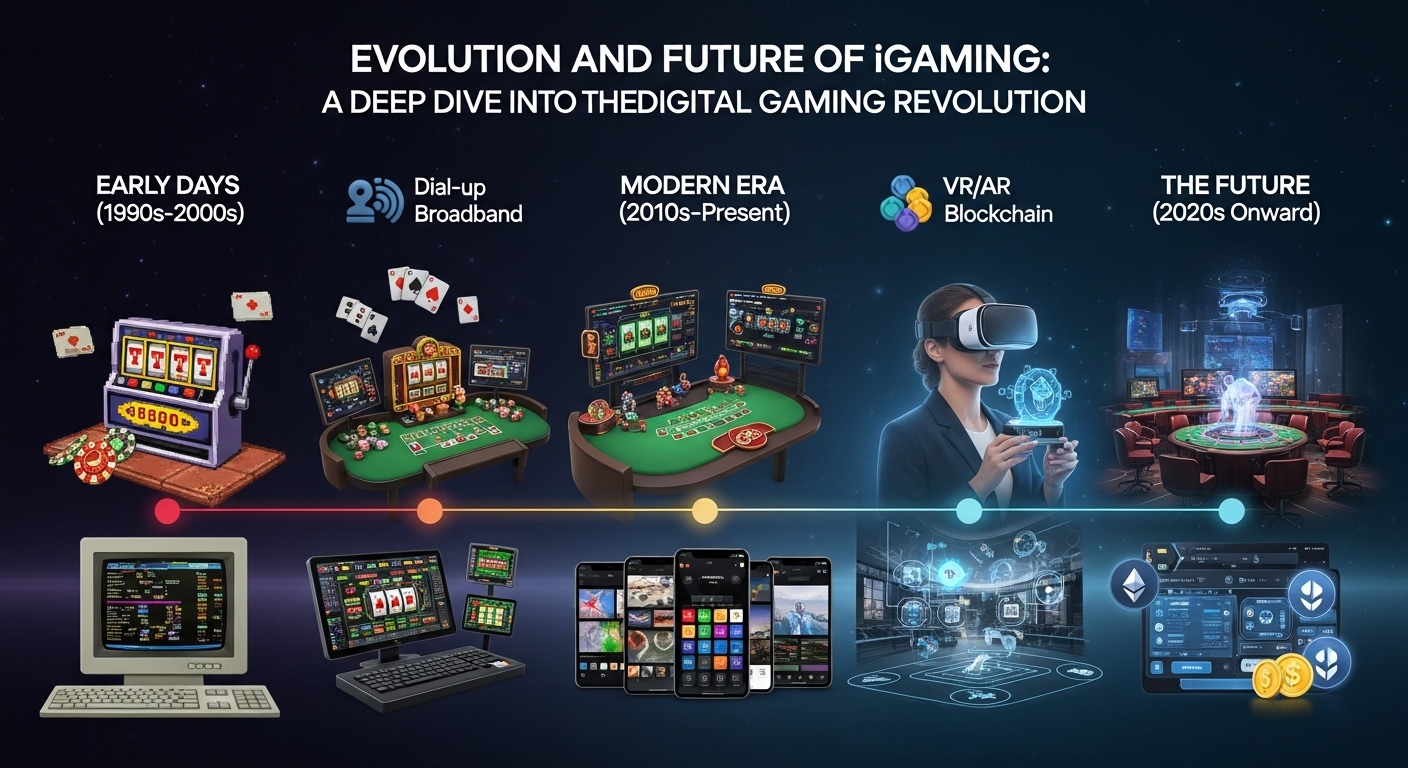
The concept of gaming and gambling is not new; it dates back to ancient civilizations where people engaged in various forms of entertainment involving risk and reward. For centuries, gambling occurred in physical establishments such as casinos, racetracks, and poker halls. However, the rise of the internet in the 1990s changed everything, introducing a new realm of possibilities for gamblers and gamers alike.
The first online casinos emerged in the mid-1990s, capitalizing on the growing popularity of the internet. In 1994, Antigua and Barbuda passed the Free Trade & Processing Act, which allowed for the licensing of online gambling companies. This legislation marked the beginning of a new era for the gaming industry, as operators began offering a wide range of casino games, including blackjack, roulette, and slot machines, through websites. By the late 1990s and early 2000s, online poker rooms and sports betting platforms followed suit, expanding the range of iGaming options.
What began as a niche market has now become a massive global industry, with millions of players participating in online gaming activities. The ease of access, the ability to play from home, and the broad variety of games available have made iGaming a convenient and attractive option for gamblers worldwide.
The Different Forms of iGaming
The iGaming industry is vast, encompassing a variety of game types and platforms. These different forms of online entertainment cater to various player preferences, making the iGaming world as diverse as it is exciting.
Online Casinos
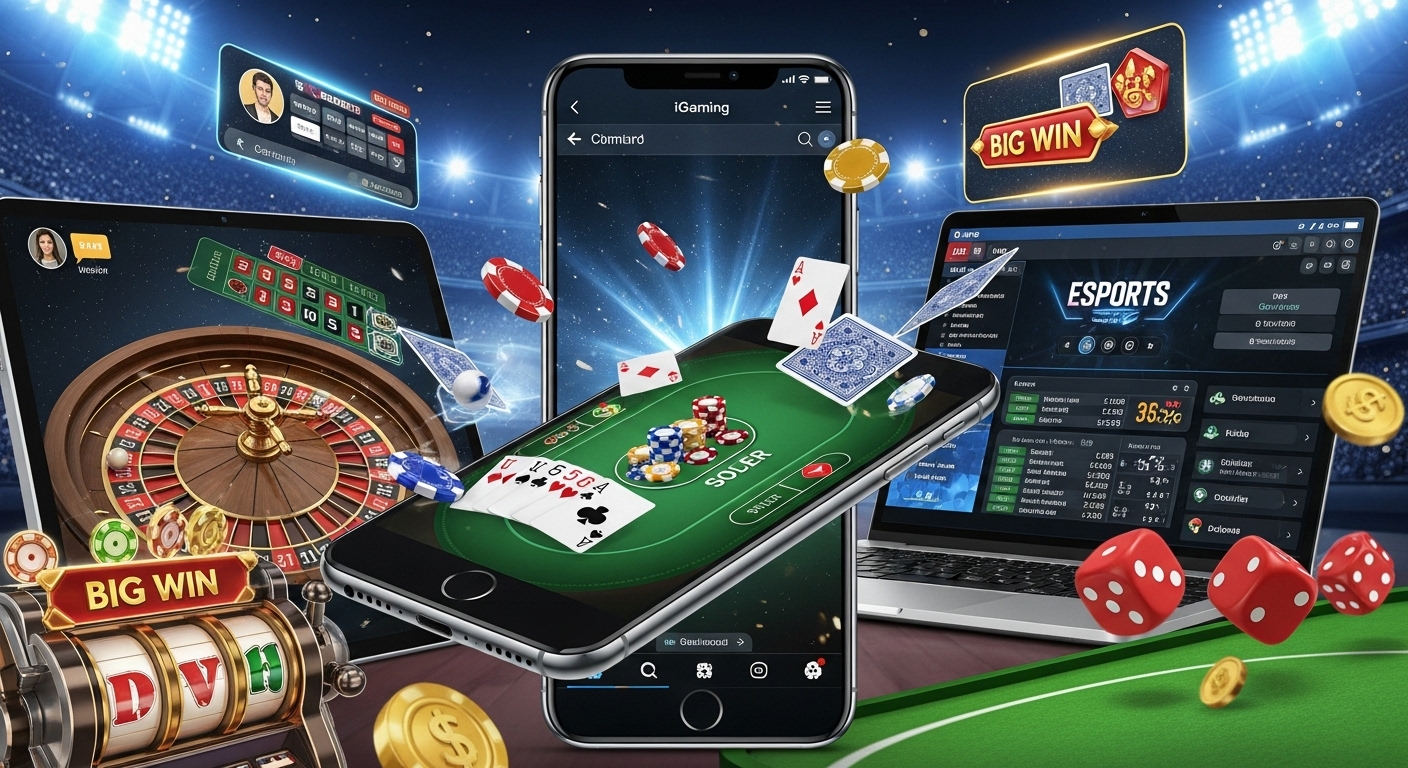
Online casinos are perhaps the most well-known and widely played form of iGaming. These platforms offer players the opportunity to play traditional casino games such as slots, blackjack, poker, baccarat, and roulette from the comfort of their own homes. The convenience and variety of games available online make it easy for players to enjoy the casino experience without traveling to a physical casino.
In recent years, online casinos have evolved to include live dealer games, which are streamed in real-time from a studio or a physical casino. This brings an added layer of immersion and interactivity to online gaming, as players can communicate with live dealers and other players, simulating the social atmosphere of a brick-and-mortar casino.
Sports Betting
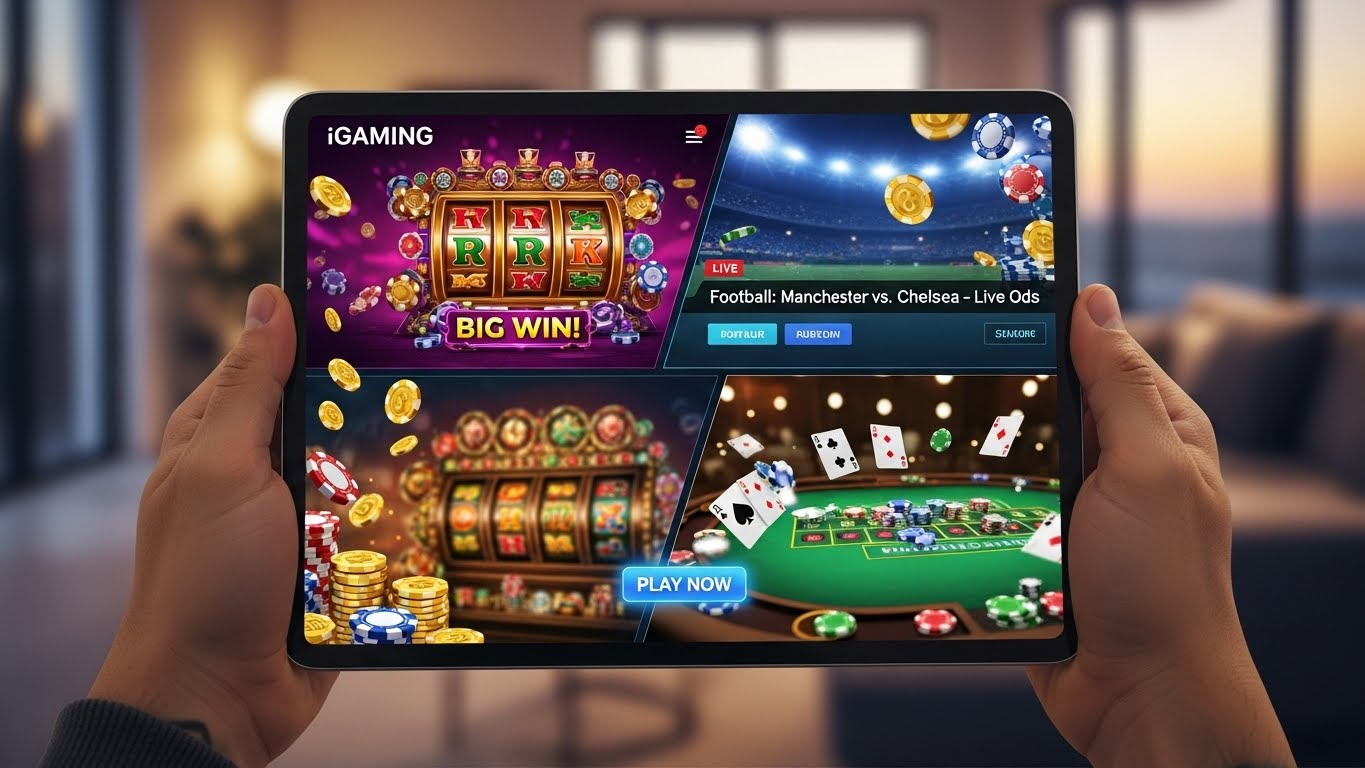
Sports betting has been a cornerstone of iGaming since its early days. Online sportsbooks allow players to wager on a variety of sports, including football, basketball, soccer, horse racing, and even esports. With the rise of global sports broadcasting, sports betting has become increasingly popular, offering players the chance to place bets on live events as they unfold.
In addition to traditional sports betting, many online platforms now offer “in-play” betting, where players can place bets on a game while it is in progress. This real-time betting experience adds excitement and strategy, as odds can fluctuate based on the dynamics of the game.
Online Poker
Poker is one of the oldest and most iconic card games, and it has found a thriving home in the online space. Online poker rooms provide players with the opportunity to compete against others from all over the world in cash games or tournament settings. Major online poker platforms host events such as the World Series of Poker (WSOP) and the World Poker Tour (WPT), offering substantial prize pools and the chance to compete with some of the best players in the world.
Online poker has also evolved with the rise of mobile gaming, allowing players to access poker rooms from their smartphones and tablets. The convenience of mobile poker has made the game more accessible to a wider audience, expanding its reach even further.
Virtual Sports and eSports Betting
In addition to traditional sports betting, virtual sports and esports have emerged as exciting new sectors in the iGaming industry. Virtual sports are computer-generated sports events that simulate real-life matches, with outcomes determined by algorithms. These events are typically shorter in duration than real sports games, providing players with the opportunity to place bets on fast-paced virtual events.
Esports betting, on the other hand, has become a massive industry of its own. Esports refers to competitive video gaming, where players or teams compete in games like League of Legends, Counter-Strike: Global Offensive, and Dota 2. Esports events draw huge audiences, and betting on these competitions has grown rapidly. Online platforms now allow players to place bets on their favorite teams, players, or specific in-game events during live esports broadcasts.
The Technology Behind iGaming
One of the main factors driving the growth of the iGaming industry is the rapid advancement of technology. Over the years, various innovations have enhanced the gaming experience, making it more interactive, immersive, and accessible to a broader audience.
Mobile Gaming
The rise of smartphones has revolutionized the iGaming industry. Mobile gaming has made it possible for players to access their favorite games anytime, anywhere. Whether on the go or relaxing at home, players can now log in to their favorite iGaming platforms using their mobile devices. Mobile optimization has become a top priority for online casinos and betting platforms, with many offering dedicated apps for iOS and Android devices.
Mobile gaming has made iGaming more accessible to a global audience, as players in regions with limited access to land-based casinos can now enjoy the same gaming experiences from the comfort of their phones.
Live Dealer Games
Live dealer games have emerged as a major innovation in the iGaming industry. By streaming real-time casino action, players can interact with professional dealers and other players in a live environment. This technology has bridged the gap between the convenience of online gaming and the social aspects of land-based casinos. Live dealer games include popular casino offerings such as blackjack, roulette, baccarat, and poker, all of which are hosted by real dealers via video streaming.
Blockchain and Cryptocurrencies
Another technological breakthrough that has made waves in the iGaming world is blockchain technology. Many online gambling platforms are now incorporating cryptocurrencies like Bitcoin, Ethereum, and Litecoin as payment options. Blockchain technology offers transparency, security, and anonymity, which has attracted a growing number of players who are looking for secure, fast, and anonymous transactions.
Cryptocurrencies allow for faster and more efficient deposits and withdrawals, eliminating the need for traditional banking systems and increasing the speed of financial transactions. Additionally, blockchain technology can be used to ensure fairness in games by creating transparent and provably fair gaming systems.
The Legal Landscape of iGaming
One of the most complex aspects of iGaming is the legal landscape. Gambling laws vary from country to country and even from state to state, and many regions have strict regulations surrounding online gambling. In some places, online gambling is entirely prohibited, while in others, it is heavily regulated to ensure player protection and fair play.
The regulation of iGaming is a double-edged sword. On one hand, regulations can protect players by ensuring that online platforms are operating fairly and securely. On the other hand, restrictive laws can stifle the growth of the industry in certain regions. As online gambling continues to gain popularity, lawmakers around the world are grappling with how to regulate the industry in a way that balances innovation with player protection.
Countries such as the United Kingdom, Malta, and Gibraltar have developed robust regulatory frameworks that allow online gaming operators to offer their services legally, providing players with a safe and regulated environment. However, in countries like the United States, the legal landscape is more complicated, with each state having the power to decide whether to legalize online gambling.
The Social and Economic Impact of iGaming
iGaming is not just a source of entertainment; it also has a significant social and economic impact. The industry generates billions of dollars in revenue each year and employs thousands of people worldwide. Online casinos, sportsbooks, and poker rooms contribute to local economies by creating jobs, paying taxes, and supporting other industries such as software development, marketing, and payment processing.
In addition to its economic impact, iGaming has changed the way people socialize and engage with entertainment. Online platforms allow players to connect with others, form communities, and share experiences. Online gaming also fosters a sense of competition, with players striving to improve their skills, win prizes, and climb the ranks in various games and betting platforms.
However, the growth of iGaming has also raised concerns about its potential negative effects. Issues such as gambling addiction, underage gambling, and the risk of financial loss have prompted calls for better regulation and responsible gambling practices. Many iGaming platforms have implemented features such as self-exclusion tools, responsible gaming policies, and limits on deposits to help mitigate these risks.
Conclusion: The Future of iGaming
As technology continues to evolve, so too will the iGaming industry. From the rise of mobile gaming to the integration of live dealer games and cryptocurrencies, the future of iGaming is exciting and full of possibilities. Innovations such as virtual reality and artificial intelligence have the potential to further transform the gaming experience, making it more immersive and personalized.
The growth of esports betting and the increasing popularity of virtual sports suggest that the iGaming industry will continue to diversify, offering more ways for players to engage with their favorite games and sports. At the same time, the industry must address challenges related to regulation, responsible gaming, and player protection to ensure its continued success and sustainability.
Ultimately, iGaming is more than just a passing trend; it is a dynamic and rapidly growing sector of the global entertainment industry, one that shows no signs of slowing down. Whether you are a casual gamer, a sports betting enthusiast, or a poker aficionado