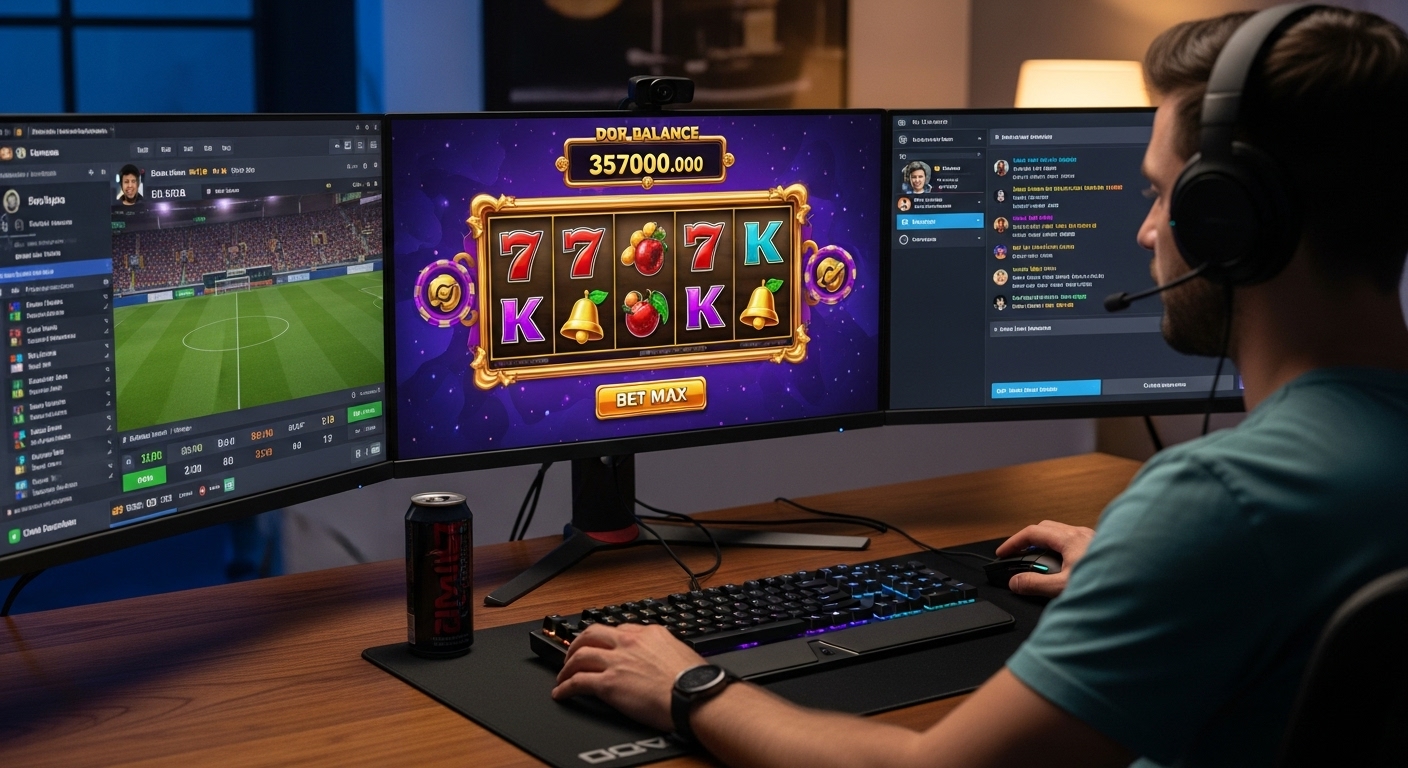






Introduction: The Rise of iGaming
The gaming industry has undergone a dramatic transformation over the past two decades, with iGaming emerging as a major force in the digital entertainment sector. iGaming, which encompasses online gambling, casino games, sports betting, and virtual lotteries, has evolved from a niche pastime into a multi-billion-dollar global industry. Driven by technological innovation, changing consumer behavior, and regulatory developments, iGaming now offers convenience, excitement, and accessibility like never before. It allows players to experience the thrill of a casino or betting platform from the comfort of their homes or even on the go, reshaping how entertainment is consumed in the 21st century.
The Evolution of iGaming
iGaming has roots that trace back to the early internet era, when simple online poker rooms and basic casino games began appearing. Initially, these platforms were rudimentary, offering limited graphics and functionality, but they laid the foundation for a rapidly growing digital ecosystem. Over time, technological advancements—such as faster internet speeds, improved software, and secure payment systems—transformed online gambling into a sophisticated, immersive experience.
The industry also benefited from the rise of mobile devices. Smartphones and tablets enabled players to access games anytime and anywhere, fueling explosive growth. Today, iGaming platforms integrate cutting-edge graphics, live dealer options, and advanced algorithms that provide seamless experiences rivaling traditional casinos.
The Psychology Behind iGaming
iGaming appeals to human psychology in ways that extend beyond simple entertainment. Games are designed to engage players’ decision-making skills, reward anticipation, and risk-taking tendencies. Features such as bonuses, loyalty programs, and progressive jackpots leverage psychological triggers like anticipation and reward, keeping players engaged for longer periods.
While iGaming can be exciting, it also requires responsible participation. Understanding one’s limits, managing budgets, and recognizing the difference between casual gaming and gambling are essential. Many platforms now promote responsible gaming practices to help players enjoy the experience safely and sustainably.
Popular Forms of iGaming
iGaming is a diverse industry, offering multiple forms of entertainment. Online casinos feature classic games such as poker, blackjack, roulette, and slot machines. These games replicate traditional casino experiences but often include unique twists, interactive features, and themes to enhance engagement.
Sports betting is another key component of iGaming. Platforms allow users to place bets on various sports, from football and basketball to horse racing and esports. The integration of real-time data and live streaming makes the experience highly interactive, giving players the thrill of participation alongside actual sports events.
Additionally, virtual lotteries and bingo have found a significant online audience. These games combine the simplicity of traditional lottery formats with digital accessibility, creating an enjoyable and potentially rewarding experience for players worldwide.
Technology Driving iGaming Innovation
The iGaming industry is powered by technological innovation. Software developers continually enhance user interfaces, graphics, and gameplay mechanics to create immersive experiences. Artificial intelligence and machine learning are being used to personalize game recommendations, detect fraudulent activity, and optimize user experiences.
Live dealer technology has become particularly popular. By streaming real casino dealers in real time, players can enjoy an authentic experience from their homes. Mobile optimization, secure payment gateways, and robust encryption ensure that players’ data and transactions remain safe, building trust and convenience in the digital environment.
The Role of Mobile Gaming
Mobile technology has revolutionized iGaming by making games accessible anywhere, at any time. Mobile apps and responsive websites allow players to enjoy everything from slots to poker on their phones or tablets. The convenience of mobile gaming has attracted a broader demographic, including younger players who prioritize instant access and seamless experiences.
Mobile platforms also integrate social features, such as leaderboards and multiplayer options, which enhance engagement and create community-driven experiences. Push notifications alert players to promotions or upcoming events, further encouraging interaction while maintaining excitement and loyalty.
Economic Impact of iGaming
The economic significance of iGaming cannot be overstated. The industry generates billions in revenue annually and provides employment opportunities across technology, marketing, customer service, and regulatory sectors. Online casinos, betting platforms, and software providers contribute to tax revenues and stimulate economic activity in regions where iGaming is regulated.
Moreover, the rise of esports betting and virtual sports has created new avenues for monetization and engagement. Streaming platforms, sponsorships, and advertising all intersect with iGaming, illustrating its influence on multiple sectors of the digital economy.
iGaming and Social Interaction
While often considered a solitary activity, iGaming increasingly emphasizes social interaction. Multiplayer games, chat features, and online tournaments foster connections between players from different parts of the world. These social aspects replicate the camaraderie and competitiveness of traditional casinos, making iGaming more than just a digital pastime.
Online communities also allow players to share tips, strategies, and experiences. Forums, social media groups, and in-game interactions create networks of engagement that enhance the overall experience, providing both entertainment and a sense of belonging.
Regulatory Considerations
Regulation plays a critical role in the iGaming landscape. Governments worldwide are establishing frameworks to ensure fair play, protect players, and prevent illegal activities. Licensing requirements, responsible gaming protocols, and anti-fraud measures are essential components of a secure iGaming ecosystem.
Regulatory compliance benefits both operators and players. It enhances credibility, ensures transparency, and builds trust in digital platforms. As iGaming continues to expand globally, regulation will remain a cornerstone of sustainable growth.
Challenges in the iGaming Industry
Despite its rapid growth, the iGaming sector faces challenges. Player addiction and problem gambling are ongoing concerns that require active monitoring and intervention. Platforms must balance engagement with responsible practices, ensuring that games remain enjoyable without creating harm.
Technological challenges also exist. Maintaining secure systems, preventing fraud, and ensuring fair gameplay demand continuous innovation. Competition is fierce, and operators must constantly evolve to attract and retain players in a crowded market.
The Future of iGaming
The future of iGaming is poised for further growth and innovation. Emerging technologies like virtual reality and augmented reality promise to make online gambling even more immersive, allowing players to experience realistic casino environments from their homes. Blockchain technology is being explored to enhance transparency, fairness, and secure transactions.
Artificial intelligence will continue to personalize experiences, predict trends, and optimize gameplay. Mobile platforms will evolve with smarter notifications, enhanced social features, and innovative gameplay mechanics. As digital payment solutions expand, accessibility and convenience will increase, attracting a more diverse global audience.
iGaming as Entertainment and Beyond
iGaming is not merely about winning or losing money; it is about entertainment, excitement, and community. The thrill of a well-timed bet, the strategic thinking in poker, or the suspense of a slot machine spin creates an emotional experience that resonates with millions worldwide. Beyond entertainment, iGaming fosters problem-solving, strategic planning, and social interaction, highlighting its multifaceted impact.
The integration of responsible gaming practices ensures that these experiences remain enjoyable and safe. By emphasizing enjoyment, skill, and community, iGaming transforms what was once considered a risky or niche activity into a mainstream form of digital entertainment.
Conclusion: Embracing the Digital Casino Era
iGaming represents a revolution in how people engage with games, risk, and entertainment. It combines technology, psychology, and social connection to deliver experiences that are thrilling, immersive, and accessible. From online casinos to sports betting, virtual lotteries, and live dealer games, iGaming has evolved into a sophisticated industry with global reach.
As technology continues to advance, the iGaming landscape will become even more engaging, personalized, and interactive. For players, it offers excitement, convenience, and social engagement. For operators, it presents opportunities for innovation, growth, and economic contribution. Ultimately, iGaming is more than digital gambling; it is a cultural phenomenon, a technological marvel, and a celebration of the human desire for challenge, reward, and entertainment.