




The Evolution and Impact of Gaming: From Pixels to Virtual Worlds
Introduction
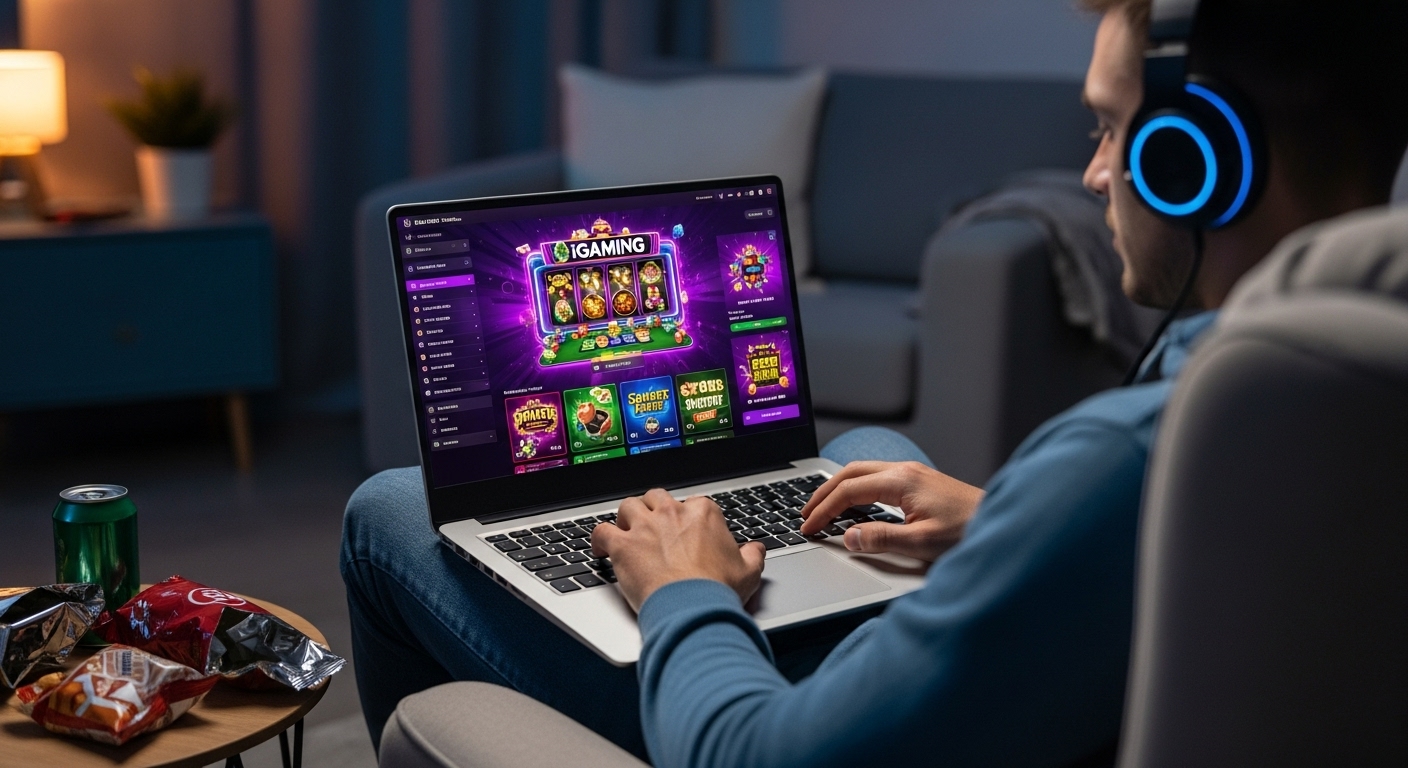
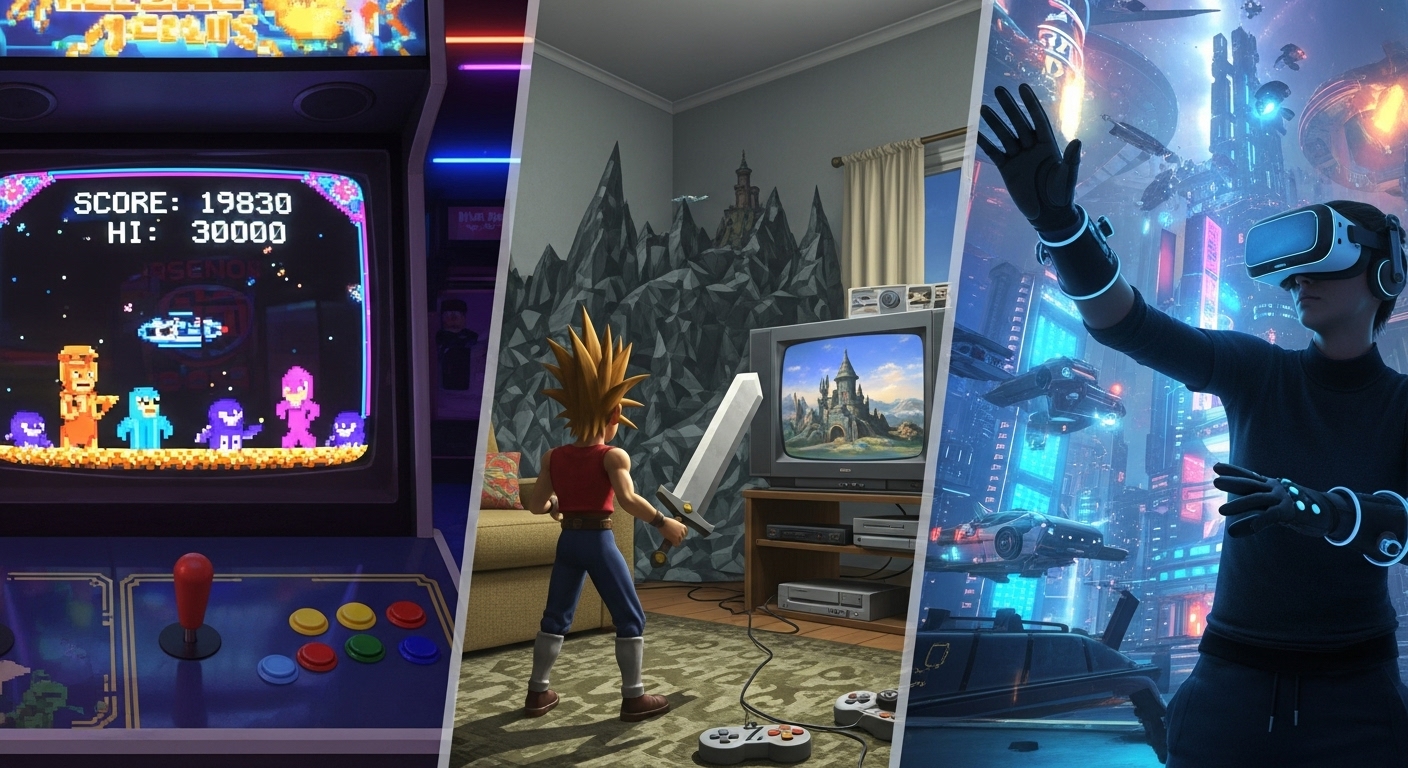
Gaming has grown from being a simple pastime to one of the most influential industries in the world. What started as pixelated adventures on bulky computers has evolved into vast, immersive universes that can be explored with a headset or even through augmented reality. The story of gaming is not just about technology or entertainment; it’s a story of creativity, community, competition, and culture. Today, gaming shapes how people connect, learn, and even make a living.
In this article, we’ll explore how gaming has evolved, the different eras that defined it, the social and psychological effects it has had, and how it has transformed into an art form and a professional career path.
The Early Days: The Birth of Digital Play
The origins of gaming can be traced back to the 1950s and 60s when scientists began experimenting with computers to create interactive programs. These early games were not designed for fun in the modern sense; they were technological experiments meant to showcase the capabilities of machines. Games like “Spacewar!” and “Pong” marked the first steps in what would become a multibillion-dollar industry.
At that time, gaming was simple but captivating. The idea of controlling something on a screen fascinated people. The excitement of competition and the challenge of mastering a simple mechanic created a sense of engagement no other medium could provide. It was the start of something much bigger than anyone could have predicted.
The Golden Age of Arcades
By the late 1970s and early 1980s, gaming had become a public sensation. Arcades began to appear everywhere, filled with machines that glowed with neon lights and attracted crowds of young players. Games like “Pac-Man,” “Donkey Kong,” and “Space Invaders” were not just popular; they were cultural phenomena.
Arcades became social hubs where people gathered, competed for high scores, and formed friendships around shared experiences. The thrill of inserting a coin, the tension of chasing a record, and the rush of seeing your initials on the leaderboard created a unique sense of achievement. These games were simple in design but deep in engagement, relying on player skill rather than complex storytelling.
This era also laid the foundation for what gaming would become — a medium that combines technology, art, and interaction to create unique experiences.
The Rise of Home Consoles
As technology advanced, the idea of bringing the arcade experience home became irresistible. Companies like Nintendo, Sega, and later Sony changed everything by introducing consoles that allowed players to enjoy games in their living rooms.
The release of the Nintendo Entertainment System (NES) in the 1980s revived the gaming industry after a brief market crash. Games like “Super Mario Bros.,” “The Legend of Zelda,” and “Metroid” defined entire genres and set new standards for creativity and storytelling. These games were more than just fun; they created universes, heroes, and soundtracks that people still remember decades later.
With each new generation of consoles, graphics improved, gameplay became smoother, and stories became deeper. Sega’s fast-paced “Sonic the Hedgehog,” Sony’s cinematic “Final Fantasy” titles, and Nintendo’s beloved characters created a golden library of icons that still define gaming culture.
The PC Revolution and Online Play
While consoles dominated living rooms, personal computers were quietly building another side of gaming. The rise of PCs in the 1990s opened the door to more complex and customizable games. Genres like strategy, simulation, and role-playing flourished on the platform.
Titles like “StarCraft,” “Warcraft,” and “The Sims” demonstrated that gaming could be intellectually engaging and emotionally rich. The ability to mod games and connect with other players online turned PCs into a playground for creativity and competition.
The introduction of the internet to gaming changed everything. Online multiplayer experiences like “Counter-Strike” and “World of Warcraft” gave players the chance to compete and collaborate with others from across the globe. For the first time, gaming wasn’t a solitary activity — it was a social phenomenon that connected millions.
The 3D Revolution and the Birth of Immersive Worlds
The late 1990s and early 2000s marked one of the biggest transformations in gaming history — the move to 3D graphics. Suddenly, players could move through open worlds, interact with objects in realistic ways, and explore dynamic environments.
Games like “Super Mario 64,” “The Legend of Zelda: Ocarina of Time,” and “Tomb Raider” redefined what was possible. These games were not just fun to play; they were experiences that felt alive. The depth of storytelling, combined with visual innovation, turned gaming into an art form that could evoke emotion and wonder.
This era also introduced cinematic storytelling. Developers began treating games as narratives, blending film techniques with gameplay to create memorable experiences. Titles like “Metal Gear Solid” and “Final Fantasy VII” became known for their emotional impact, proving that games could move players just as deeply as movies or books.
The Age of Online Communities and eSports
As broadband internet became widespread, online gaming exploded. Multiplayer titles evolved into global platforms where millions could play together in real time. Games like “Call of Duty,” “League of Legends,” and “Dota 2” turned competition into spectacle.
The rise of eSports transformed gaming from a hobby into a professional sport. Players trained for hours, competed in massive tournaments, and earned sponsorships just like athletes. The best players became celebrities with fan bases rivaling traditional sports stars.
Streaming platforms allowed anyone to share their gameplay and personality with audiences around the world. What began as entertainment evolved into a new form of media, where the line between player and performer blurred.
The Modern Era: Open Worlds and Infinite Possibilities
Today, gaming is more expansive and creative than ever. Developers build vast open worlds that let players choose their own paths, make moral decisions, and craft unique experiences. Games like “The Witcher 3,” “Red Dead Redemption 2,” and “Elden Ring” showcase the artistic potential of the medium.
Modern technology allows for stunning visuals, realistic physics, and dynamic storytelling. Artificial intelligence helps create more responsive characters, and cloud gaming lets people play on any device without the need for powerful hardware.
Virtual reality (VR) and augmented reality (AR) have taken immersion to new heights. Players can now step inside their games, interact with environments naturally, and feel as if they’re living within the story. Gaming has become an escape, a creative outlet, and even a social platform where people build communities and friendships.
Gaming as Art and Storytelling
For years, there was debate about whether games could be considered art. That question has long been answered. Gaming combines visual design, music, writing, and interactivity — all core artistic elements. Unlike movies or books, games allow players to shape the story through their choices.
Games like “Journey,” “The Last of Us,” and “Shadow of the Colossus” demonstrate emotional depth and artistic vision. They explore themes of love, loss, survival, and identity. Players do not simply watch these stories; they live them.
Soundtracks in gaming also deserve recognition. Music enhances emotion, builds tension, and creates unforgettable memories. The melodies of classic games still evoke nostalgia, proving the lasting emotional impact of this art form.
The Social and Psychological Impact of Gaming
Gaming has often been misunderstood, but research has shown that it can have many positive effects. It enhances cognitive skills, improves problem-solving abilities, and encourages teamwork. Multiplayer games teach communication, leadership, and collaboration, while single-player games stimulate creativity and critical thinking.
Of course, like any activity, gaming requires balance. Excessive play can lead to issues like neglecting responsibilities or physical strain. However, the vast majority of players engage healthily, finding in gaming a source of relaxation and connection.
For many, gaming provides a sense of belonging. Online communities allow people from different cultures and backgrounds to connect through shared interests. Friendships formed in virtual worlds often extend to real life, proving that gaming can bring people together rather than isolate them.
The Business of Gaming
The gaming industry is now larger than the movie and music industries combined. With billions of players worldwide, developers and publishers constantly push boundaries to create new experiences. The economic impact is enormous, from console sales and software to streaming, merchandise, and events.
Independent developers have also reshaped the market. Digital distribution allows small teams to create and share games without massive budgets. Many of today’s most innovative titles come from indie studios that prioritize creativity over commercial formulas.
The rise of mobile gaming has made gaming accessible to everyone. With smartphones, anyone can play anywhere. Simple yet engaging games reach audiences that traditional consoles never could. This accessibility has helped gaming become a universal form of entertainment.
The Rise of Streaming and Content Creation
Gaming is no longer just about playing; it’s about sharing. Platforms for live streaming and video creation have given rise to a new generation of entertainers. These creators build communities, share tips, and turn gameplay into storytelling.
Viewers watch not just for the games, but for the personalities behind them. The interaction between streamer and audience makes gaming content dynamic and participatory. Many streamers and creators have built careers through their passion for games, proving that gaming can be a viable profession in the modern digital world.
The Future of Gaming
As technology continues to advance, the future of gaming looks limitless. Artificial intelligence will make worlds more dynamic and responsive. Virtual reality will become more immersive and affordable. Cloud gaming will remove hardware limitations, making high-end experiences accessible to everyone.
We may soon see games that adapt to our emotions, respond to our choices with unprecedented realism, and blend seamlessly with everyday life through augmented reality. Gaming will continue to shape entertainment, education, and even work, as more industries use game design principles for engagement and learning.
The line between the virtual and real worlds will blur further, but at its core, gaming will remain about one thing: human imagination.
Conclusion
From its humble beginnings as a few blinking pixels on a screen, gaming has evolved into one of the most powerful storytelling mediums in history. It has transcended technology to become culture — a way for people to express themselves, connect with others, and explore new worlds.
Gaming is no longer just about fun; it’s about experience, emotion, and creativity. It brings together art, science, and community in ways that few other forms of entertainment can match. Whether it’s an epic adventure across galaxies, a simple puzzle game on a phone, or a competitive battle in an online arena, gaming continues to inspire and unite people across generations.
As the industry looks toward an even more immersive and interconnected future, one thing is certain: the story of gaming has only just begun.