




Introduction to iGaming
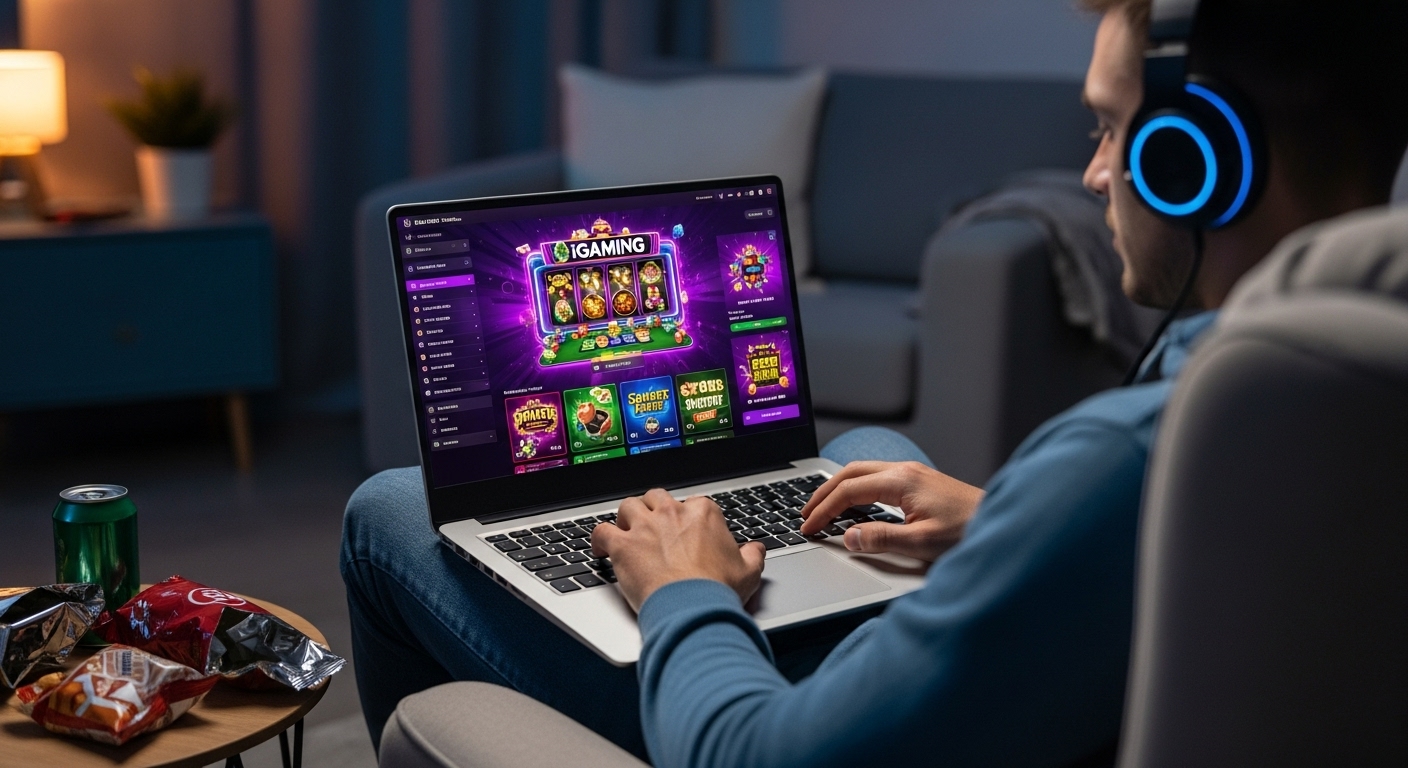
In the last two decades, the landscape of gaming has undergone a revolutionary transformation. The rise of technology, high-speed internet, and mobile devices has given birth to a phenomenon known as iGaming. iGaming, short for internet gaming, encompasses a wide range of digital entertainment options including online casinos, sports betting, poker, bingo, and other skill-based games. Unlike traditional gaming, iGaming allows players to enjoy their favorite games anytime, anywhere, offering unparalleled convenience and accessibility.
iGaming is not just a form of entertainment; it has become a global industry generating billions of dollars annually. Its rapid growth has been fueled by innovation, regulation, and the increasing demand for interactive and immersive experiences. In this blog, we will explore the world of iGaming, its history, technological advancements, types of games, responsible gaming practices, and the future prospects of this dynamic industry.
The History of iGaming
The origins of iGaming can be traced back to the mid-1990s, a period marked by the rise of the internet and digital technology. The first online casinos appeared around 1994, offering a limited selection of games such as poker, blackjack, and roulette. These platforms were basic compared to today’s standards, but they laid the foundation for what would become a multi-billion-dollar industry.
As internet technology advanced, so did the sophistication of iGaming platforms. By the early 2000s, online poker tournaments gained massive popularity, attracting professional and amateur players alike. The introduction of live dealer games in the late 2000s brought the authentic casino experience directly to users’ screens, bridging the gap between physical casinos and online gaming.
Mobile technology further accelerated the growth of iGaming. The launch of smartphones and mobile applications allowed players to engage with games on the go, transforming iGaming into a lifestyle choice rather than just a hobby. Today, iGaming is a seamless blend of technology, entertainment, and social interaction, offering experiences that rival traditional gaming venues.
Types of iGaming
iGaming encompasses a wide array of gaming options, catering to different preferences and interests. The major categories include online casinos, sports betting, poker, bingo, and skill-based games. Each type has its own unique appeal and attracts a diverse audience.
Online Casinos
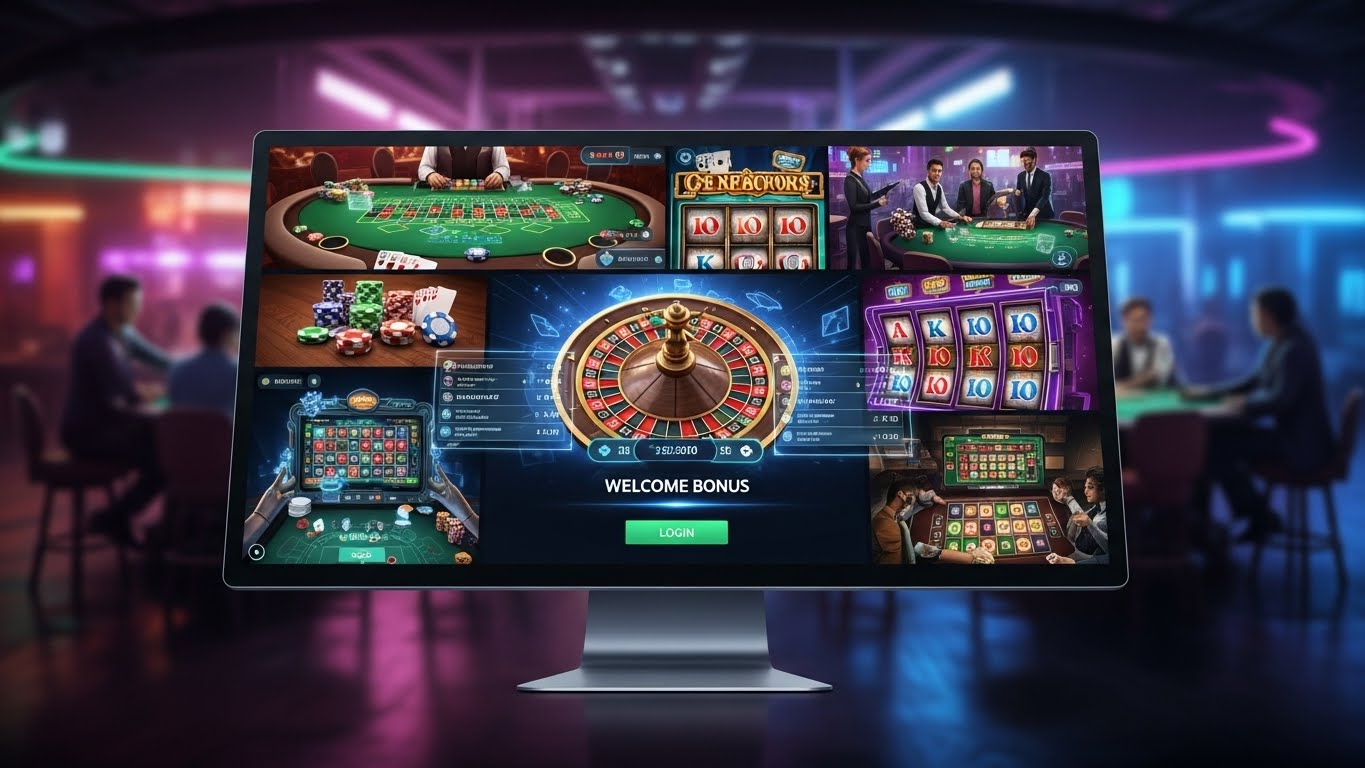
Online casinos are the cornerstone of the iGaming industry. They offer classic casino games such as slots, blackjack, roulette, baccarat, and more. Modern online casinos leverage cutting-edge graphics, animations, and sound effects to create immersive experiences. Live dealer games have revolutionized online casinos by allowing players to interact with real dealers in real time, replicating the social atmosphere of a brick-and-mortar casino.
Online casinos also provide a variety of bonus programs, loyalty rewards, and promotional offers to engage and retain players. These incentives, combined with convenience and accessibility, have made online casinos a major driver of the iGaming market.
Sports Betting
Sports betting is one of the oldest forms of gambling, but its online version has taken the experience to a new level. Players can now place bets on a wide range of sports events, including football, basketball, horse racing, and esports. Advanced algorithms and real-time data analytics enable dynamic odds, live betting, and in-play wagering, enhancing the thrill of sports betting.
Esports betting, in particular, has emerged as a significant segment within iGaming. Competitive gaming events draw millions of viewers globally, and betting platforms allow fans to engage with their favorite teams and players, creating a highly interactive and immersive experience.
Poker
Online poker remains a favorite for players seeking skill-based competition. Platforms offer cash games, tournaments, and multi-table competitions, catering to both beginners and professionals. The rise of poker apps and mobile-friendly interfaces has made the game accessible to a broader audience, promoting social interaction and strategic thinking. Poker’s appeal lies in the combination of skill, strategy, and psychology, making it one of the most intellectually stimulating iGaming options.
Bingo and Lottery Games
Bingo and lottery games have a special place in the iGaming ecosystem, appealing to players seeking casual and social gaming experiences. Online bingo rooms offer chat features, themed rooms, and community events, creating a sense of camaraderie among players. Lottery games, on the other hand, provide excitement with the chance of winning large jackpots, often with minimal investment. These games emphasize entertainment, relaxation, and the thrill of luck, complementing more competitive gaming options.
Skill-Based Games and Virtual Reality
The future of iGaming is increasingly leaning toward skill-based games and virtual reality experiences. Skill-based games, which require strategic thinking, problem-solving, and agility, are gaining traction among younger players who prefer interactive gameplay over chance-based games.
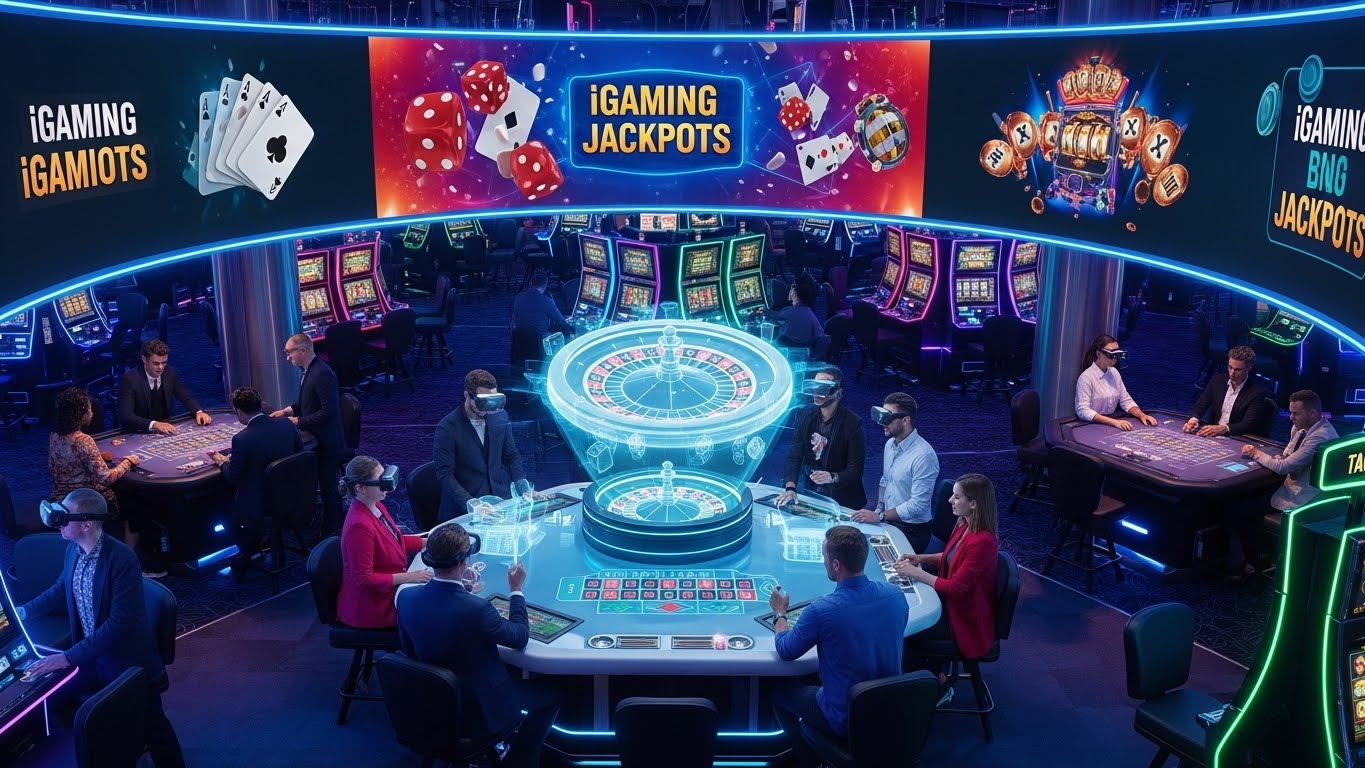
Virtual reality (VR) and augmented reality (AR) technologies are also transforming iGaming. VR casinos allow players to walk through virtual environments, interact with other players, and participate in immersive games. AR overlays enhance real-world experiences by integrating digital gaming elements, offering a new dimension of entertainment that blends reality and virtual worlds.
Technology Driving iGaming
The growth of iGaming is fueled by continuous technological innovation. Key technologies driving the industry include mobile applications, live streaming, blockchain, artificial intelligence, and secure payment systems.
Mobile Applications
Mobile apps are the backbone of modern iGaming, enabling players to access games from smartphones and tablets. Responsive design, intuitive interfaces, and optimized performance ensure that players enjoy seamless experiences regardless of device or location. Mobile apps have also facilitated features such as push notifications, personalized offers, and in-game interactions, enhancing engagement and retention.
Live Streaming and Real-Time Interaction
Live streaming technology powers live dealer games, esports tournaments, and interactive events. Real-time streaming allows players to engage with dealers and opponents, fostering social interaction and authenticity. This technology bridges the gap between physical and digital gaming, creating immersive experiences that retain the excitement of traditional casinos.
Blockchain and Cryptocurrencies
Blockchain technology has introduced transparency, security, and decentralization to iGaming. Cryptocurrencies enable fast and secure transactions, while blockchain-based platforms provide provably fair gaming, where outcomes can be verified and audited. This technology increases trust among players and attracts a growing segment of digital-savvy users.
Artificial Intelligence and Personalization
Artificial intelligence (AI) is reshaping player experiences by analyzing behavior, predicting preferences, and offering personalized recommendations. AI-driven algorithms optimize game mechanics, improve customer support, and enhance responsible gaming measures, ensuring a safer and more enjoyable environment for players.
Secure Payment Systems
Reliable and secure payment systems are crucial for iGaming. Platforms offer a variety of options, including credit cards, e-wallets, bank transfers, and cryptocurrencies. Advanced encryption and authentication protocols protect player data and transactions, fostering trust and credibility in the industry.
Responsible Gaming and Regulation
As iGaming continues to expand, promoting responsible gaming has become a top priority. Platforms implement features such as self-exclusion, deposit limits, and reality checks to help players maintain control over their gaming habits. Educational initiatives raise awareness about the risks of gambling addiction and encourage healthy gaming practices.
Regulation is another critical aspect of iGaming. Licensed operators are subject to strict compliance standards, including fair play, security, and consumer protection. Regulatory bodies ensure that the industry operates transparently, ethically, and responsibly, providing players with a safe and enjoyable gaming environment.
The Future of iGaming
The future of iGaming is poised for exciting developments. Emerging technologies such as virtual reality, artificial intelligence, and blockchain will continue to transform player experiences. Mobile and cloud gaming will make iGaming more accessible and interactive than ever before.
Social and community-driven gaming will play a significant role in attracting younger audiences, while gamification and rewards systems will enhance engagement. Esports betting, skill-based competitions, and interactive tournaments will drive innovation, creating diverse and immersive entertainment options.
Moreover, as regulation becomes more standardized globally, iGaming will expand into new markets, reaching untapped audiences and fostering growth. The industry’s future lies in balancing innovation with responsible practices, ensuring that players enjoy safe, fair, and captivating experiences.
Conclusion
iGaming has evolved from a niche online activity to a global digital entertainment powerhouse. Its growth is driven by technological innovation, diverse gaming options, and the increasing demand for convenient, immersive experiences. From online casinos and sports betting to skill-based games and virtual reality, iGaming offers something for everyone, appealing to casual players and seasoned professionals alike.
As the industry continues to expand, responsible gaming and regulation will remain crucial, ensuring safe and enjoyable experiences for players. The future of iGaming promises even more innovation, interactivity, and excitement, solidifying its position as a leading form of entertainment in the digital age.
iGaming is no longer just a pastime; it is a thriving ecosystem where technology, entertainment, and social interaction converge. Players can look forward to more immersive, personalized, and engaging experiences as the industry continues to push the boundaries of digital gaming.