




Introduction
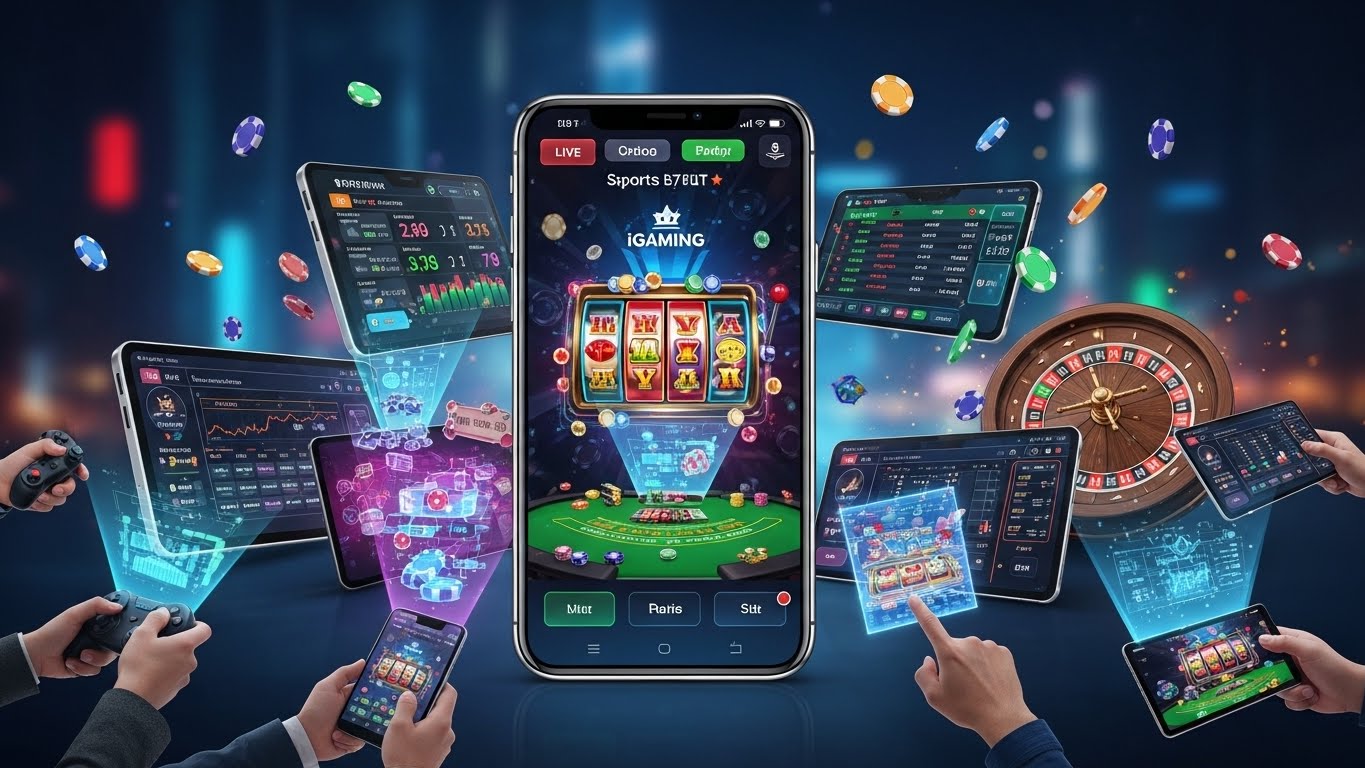
The world of iGaming has grown from a niche entertainment option into one of the most dynamic and influential sectors of the global digital economy. What once began as simple online casino games has transformed into a complex ecosystem of immersive platforms, esports, mobile betting, live dealer experiences, and virtual reality entertainment. Today, iGaming represents more than just a pastime; it is a technological and cultural phenomenon that blends gaming innovation, financial systems, and digital community interaction.
As the lines between gaming, gambling, and digital experiences continue to blur, the iGaming industry stands at the forefront of change. This transformation has been fueled by advancements in software development, artificial intelligence, blockchain technology, and mobile connectivity. Players are no longer confined to physical casinos or desktop screens; they carry entire worlds of interactive play in their pockets.
This blog explores the history, technology, psychology, and future of iGaming. It examines how innovation has reshaped user behavior, how regulation has adapted to protect consumers, and what new frontiers lie ahead for developers and players alike.
The Origins of iGaming: From Dial-Up to Digital Thrills
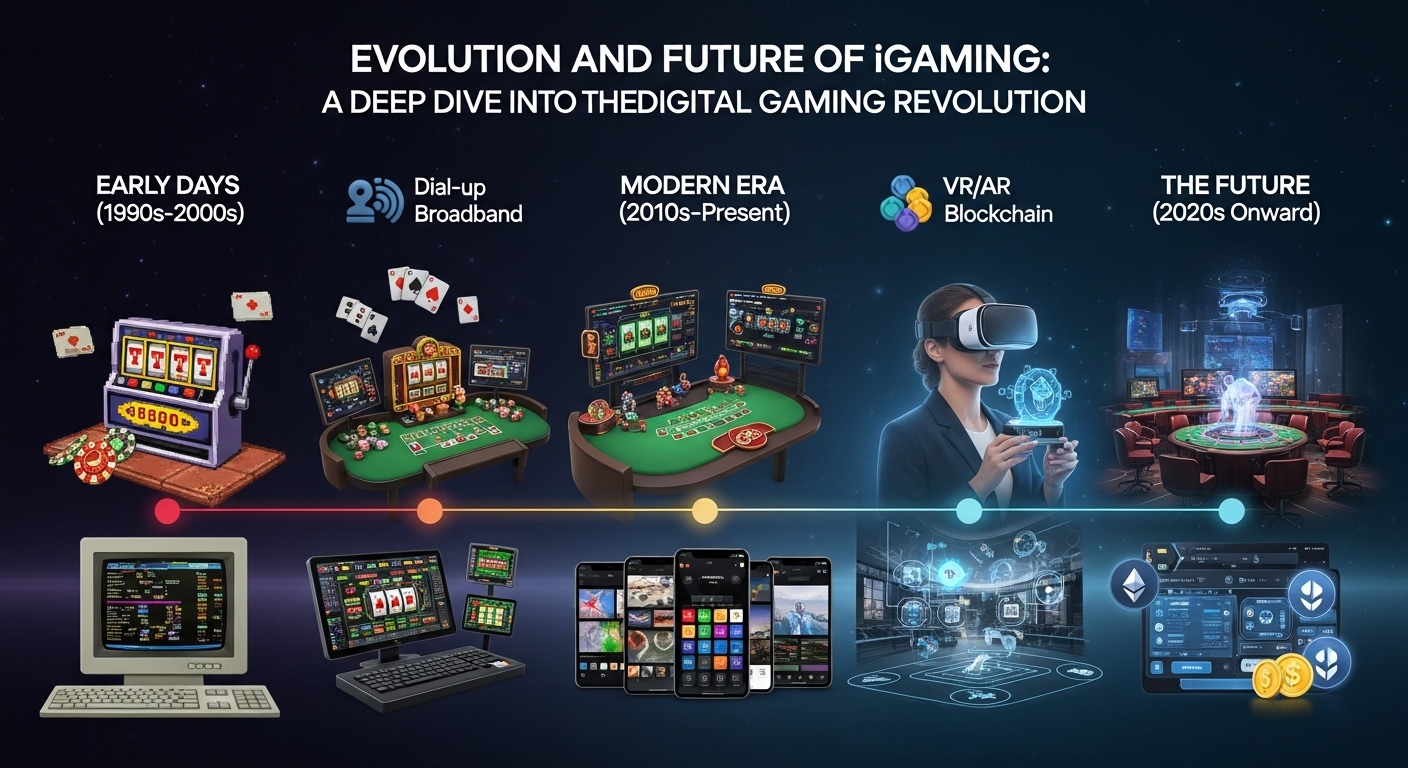
The origins of iGaming can be traced back to the mid-1990s when the internet first became accessible to the public. The idea of playing casino games online emerged almost immediately after the internet’s commercial potential was recognized. In 1994, the first online casino was launched, introducing games like roulette and blackjack in a very simple digital format. Graphics were basic, connections were slow, and trust in online payment systems was limited. Yet, it was the beginning of a revolution.
The introduction of secure encryption technologies in the late 1990s made it possible for players to deposit money and withdraw winnings safely. As internet speeds improved, developers began adding sound effects, visual animations, and more realistic interfaces. The early 2000s marked the rise of online poker rooms, betting exchanges, and digital slot machines. Suddenly, players from around the world could connect and compete from the comfort of their homes.
The concept of convenience quickly became a driving force behind iGaming’s popularity. Traditional casinos required travel, time, and specific attire, while online gaming could be enjoyed anywhere, anytime. The industry’s pioneers realized that accessibility would define its success, and that principle continues to shape innovation today.
The Role of Technology in Shaping iGaming
Technology has always been at the heart of iGaming’s growth. From random number generators to cloud gaming, every major innovation in computing and connectivity has influenced how games are designed and played. Several key technologies have defined the iGaming era.
Software Development and Game Design
The earliest iGaming platforms were built using simple coding languages that offered limited interactivity. As programming frameworks evolved, so did game complexity. Modern iGaming platforms use advanced engines capable of rendering 3D environments, simulating realistic physics, and supporting multiplayer interactions in real time. Artificial intelligence helps create adaptive gameplay, ensuring that players receive personalized challenges and recommendations.
Mobile Gaming Revolution
The introduction of smartphones changed everything. Mobile technology transformed iGaming from a stationary activity into a portable experience. Apps and responsive websites allowed users to spin a slot reel or place a sports bet while commuting or relaxing at home. The convenience of mobile access led to an explosion of new players who had never visited a physical casino but were eager to explore the digital equivalent.
Live Dealer Technology
One of the most significant advancements in iGaming has been the integration of live dealer games. Using high-definition video streaming, professional hosts, and real-time interaction tools, players can experience the authenticity of a land-based casino without leaving home. This fusion of human and digital elements has bridged the gap between traditional gambling and online play, offering the best of both worlds.
Blockchain and Cryptocurrency Integration
Blockchain technology has introduced transparency and trust to an industry often criticized for fairness concerns. Cryptocurrencies like Bitcoin and Ethereum allow for secure, fast, and anonymous transactions. Some platforms have even begun using blockchain to verify game outcomes through decentralized systems, ensuring that results cannot be manipulated. This level of transparency appeals to tech-savvy players and strengthens industry credibility.
The Psychological Appeal of iGaming
Understanding why people are drawn to iGaming requires exploring both entertainment psychology and human behavior. The thrill of anticipation, the satisfaction of rewards, and the social dynamics of online competition all contribute to the popularity of iGaming.
The Thrill of Chance
At its core, iGaming taps into one of humanity’s oldest fascinations: chance. Whether rolling dice, spinning reels, or betting on a favorite team, the uncertainty of outcomes creates excitement. The brain’s reward system releases dopamine during moments of risk and potential reward, reinforcing engagement and emotional investment.
Skill and Strategy
While luck plays a major role, many iGaming formats also incorporate skill and strategy. Poker, for example, requires probability analysis, emotional control, and reading opponents’ behavior. Similarly, sports betting rewards analytical thinking and knowledge of teams, players, and performance trends. This combination of chance and skill provides a balanced experience that appeals to a wide audience.
Social Interaction and Community
Modern iGaming platforms are not solitary experiences. Chat functions, multiplayer tournaments, and social leaderboards create communities where players can share victories and experiences. The social aspect has grown even more prominent with live dealer games and esports betting, where fans engage in discussions, form teams, and build identities within digital spaces.
The Business of iGaming: Market Growth and Economic Impact
The iGaming industry has become a global economic powerhouse. Its growth outpaces that of many other entertainment sectors, driven by constant innovation, market expansion, and changing attitudes toward digital wagering.
Market Expansion and Revenue Growth
Today, the iGaming market generates hundreds of billions in global revenue annually. Regions like Europe, Asia, and North America have seen exponential increases in both player participation and operator numbers. Mobile accessibility and diversified payment options have opened the industry to demographics that were previously untapped.
Employment and Technology Development
Beyond entertainment, iGaming contributes significantly to job creation in technology, marketing, customer support, and cybersecurity. Game developers, data analysts, software engineers, and live dealers are part of an interconnected ecosystem that drives economic development and digital literacy across various regions.
Sponsorships and Cultural Integration
iGaming companies have also become major sponsors of sports teams, events, and online communities. This has helped normalize gaming as a mainstream form of entertainment rather than a fringe activity. The partnership between iGaming and esports has especially blurred traditional boundaries, creating hybrid forms of competition where wagering meets digital sportsmanship.
Regulation and Responsible Gaming
As iGaming has expanded, so too have concerns about safety, fairness, and addiction. Governments and regulators worldwide have established frameworks to ensure transparency, protect vulnerable individuals, and maintain ethical industry standards.
Licensing and Compliance
Reputable iGaming platforms operate under licenses issued by recognized authorities. These regulatory bodies enforce rules related to fairness, payout percentages, data protection, and anti-money laundering practices. Licensing provides accountability and builds player trust, distinguishing legitimate operators from unregulated ones.
Responsible Gaming Initiatives
The industry has embraced responsible gaming initiatives to encourage healthy participation. Tools like deposit limits, self-exclusion options, and reality checks help players manage their habits. Many operators also provide educational resources on identifying problematic behavior and accessing professional support. The move toward responsible gaming underscores a shift in industry values—prioritizing sustainability and player well-being over short-term profit.
Innovation and the Future of iGaming
Looking ahead, the iGaming landscape is poised for continued transformation. Emerging technologies are opening doors to entirely new experiences, while shifting consumer expectations are pushing developers to think beyond traditional boundaries.
Virtual Reality and Augmented Reality
Virtual reality (VR) promises to redefine immersion in iGaming. With VR headsets, players can step inside richly detailed casino environments, walk around tables, and interact with dealers and other participants as if physically present. Augmented reality (AR), on the other hand, merges digital overlays with the real world, creating hybrid gaming experiences that blend entertainment with lifestyle.
Artificial Intelligence and Personalization
Artificial intelligence is becoming a cornerstone of player experience management. AI algorithms analyze player behavior to recommend games, predict preferences, and even detect signs of problematic play. This personalization enhances engagement while supporting responsible practices. It also helps operators refine marketing strategies and optimize game design.
Cross-Platform Integration
The future of iGaming lies in seamless integration across platforms. Players want to start a game on their phone, continue on a tablet, and finish on a computer without losing progress. Cloud gaming technologies make this possible by storing data remotely and ensuring consistent performance regardless of device.
The Rise of Skill-Based and Hybrid Games
New generations of players are demanding more control and engagement. Skill-based games that combine traditional gambling mechanics with video game elements are gaining popularity. These experiences reward strategy and reflexes as much as luck, appealing to players seeking a deeper level of interaction.
iGaming and Cultural Shifts
The acceptance of iGaming reflects broader cultural changes in how society views technology, entertainment, and risk. What was once seen as a taboo or purely recreational activity is now recognized as a legitimate digital entertainment form. This shift has been accelerated by the rise of cashless economies, the integration of gaming into social media, and the normalization of online communities.
The Influence of Millennials and Gen Z
Younger generations have been instrumental in shaping iGaming trends. They value convenience, personalization, and social connectivity—qualities that iGaming platforms excel at delivering. These demographics also tend to be more comfortable with digital payment systems and virtual currencies, which further drives innovation in the sector.
Streaming and Content Creation
The emergence of live streaming has introduced a new layer of engagement. Streamers who broadcast themselves playing casino games or betting on esports have cultivated massive audiences. This content-driven ecosystem transforms gaming into a shared experience, blending entertainment, education, and community.
Challenges Facing the Industry
Despite its success, iGaming faces several challenges that could shape its trajectory in the coming years.
Regulation Disparities
Different countries have vastly different approaches to regulating online gaming. Some embrace it with clear frameworks, while others restrict or ban it entirely. This inconsistency creates operational challenges for global brands and may limit innovation in certain regions.
Cybersecurity and Data Protection
With the rise of digital transactions comes the risk of cybercrime. Protecting user data, financial information, and platform integrity remains a top priority. Continuous investment in encryption, firewalls, and identity verification is necessary to maintain trust.
Ethical Considerations
The industry must balance profitability with ethical responsibility. Issues such as gambling addiction, underage access, and deceptive marketing continue to attract scrutiny. Addressing these concerns transparently will be crucial to maintaining credibility and long-term growth.
The Human Element in a Digital World
Amid all the technological advancements, the human element remains central to iGaming’s success. People seek experiences that entertain, challenge, and connect them. Technology serves as a tool to enhance these desires, not replace them.
Game designers now focus on storytelling, user experience, and emotional engagement as much as on visual and technical innovation. Players are no longer just participants; they are part of evolving narratives where each decision and outcome contributes to a broader sense of meaning.
The sense of community—whether in a poker room, live dealer chat, or esports tournament—continues to define iGaming’s emotional core. It is a reminder that behind every screen and algorithm are people seeking enjoyment, challenge, and connection.
Conclusion: A Game Without Boundaries
The iGaming industry stands as a testament to how digital technology can reshape entertainment, economy, and culture. From its humble beginnings in the 1990s to the high-tech ecosystems of today, it has evolved into a global powerhouse that transcends geography and demographics. With advancements in artificial intelligence, blockchain, and immersive design, the future of iGaming will likely be even more interactive, transparent, and inclusive.
Yet beyond the innovations and revenues, the essence of iGaming lies in the universal human desire to play, compete, and dream. As the world continues to digitize, iGaming will not just follow the trends—it will help define them, creating an ever-expanding universe where imagination, technology, and human emotion converge.