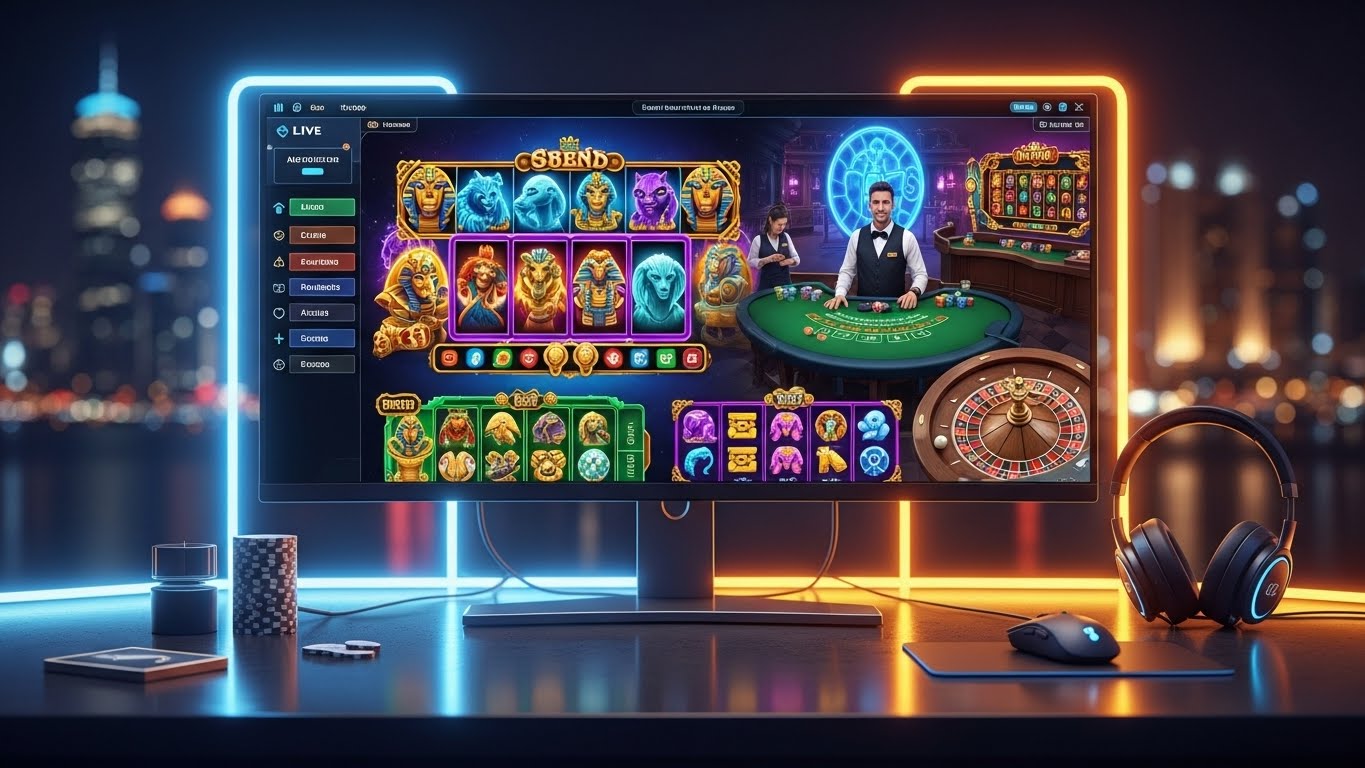






The Rise of iGaming: A Deep Dive into the World of Online Gaming
In the digital age, entertainment has evolved dramatically, with iGaming being one of the most prominent sectors that have revolutionized the way people engage with games. iGaming, or internet gaming, refers to online gambling and gaming activities like sports betting, casino games, poker, and eSports. As internet technology has advanced, so too has the iGaming industry, which has seen a surge in popularity in recent years.
This blog post delves into the growth of iGaming, its impact on the gaming industry, the various forms it takes, and its future in a rapidly changing technological landscape. We’ll explore why iGaming has captured the attention of millions globally, and what challenges and opportunities the industry faces moving forward.
The Evolution of iGaming
The Origins of Online Gaming
iGaming didn’t appear overnight—it has a rich history tied to the growth of the internet itself. The first true online gambling platform dates back to the mid-1990s when companies like Microgaming began developing software for online casinos. This was a time when the internet was still relatively new to the public, and online activities were mostly limited to browsing static websites or exchanging emails.
The early days of iGaming were limited by technology, and the gaming options were rudimentary compared to the sophisticated platforms we see today. Nonetheless, as the internet evolved, so did the infrastructure for online gaming. The development of secure payment methods and reliable internet connections allowed online gambling to expand rapidly.
The Growth of Online Gambling Platforms
The late 1990s and early 2000s witnessed the rise of prominent online casinos, sports betting sites, and poker rooms. Major players like PokerStars, Bet365, and 888 Casino emerged, offering users a wide variety of gambling options. In addition, governments began to recognize the potential revenue from regulating and taxing the iGaming sector, leading to the establishment of legal frameworks for online gambling in many countries.
The advent of mobile technology also contributed to iGaming’s growth. As smartphones became ubiquitous, gambling platforms developed mobile-friendly websites and apps, making it easier for players to access their favorite games on the go. Mobile gaming has become a dominant force in the industry, with many users preferring to gamble using their phones or tablets.
Types of iGaming
iGaming encompasses a wide array of gaming options, each with its unique characteristics. Let’s take a closer look at some of the most popular forms of iGaming:
1. Online Casino Games
Online casinos are the cornerstone of iGaming. These platforms offer a wide range of traditional casino games, including blackjack, roulette, baccarat, and slots. Online slots, in particular, have become incredibly popular, with developers creating intricate, themed slots that feature stunning graphics, sound effects, and bonus features.
Online casinos also offer live dealer games, where players can interact with real dealers via video streaming. This immersive experience has gained a lot of traction, as it simulates the feel of being in a physical casino without the need to travel.
2. Sports Betting
Sports betting has always been a significant part of gambling culture, but iGaming has made it more accessible than ever before. Bettors can wager on a wide variety of sports, including football, basketball, tennis, and even niche markets like eSports.
The integration of in-play betting—where users can place bets during live events—has transformed the sports betting experience. This real-time interaction has attracted a younger generation of players who want to engage with sports in a more dynamic, interactive way.
3. Poker
Poker is another pillar of the iGaming industry. Online poker rooms allow players from around the world to compete against each other in tournaments or casual games. The competitive nature of poker, combined with the potential for significant payouts, makes it a favorite among many gamblers.
The development of software that replicates the atmosphere of live poker games has helped elevate online poker to a global audience. Major events like the World Series of Poker (WSOP) have also embraced the online format, with online qualifiers for the physical tournament.
4. eSports Betting
The rise of eSports has added a modern twist to the iGaming world. eSports refers to competitive video gaming, where professional players or teams compete in tournaments for large cash prizes. Popular games in the eSports category include League of Legends, Dota 2, and Counter-Strike: Global Offensive.
With the growth of the eSports industry, betting on these events has become a lucrative market. Just as people bet on traditional sports, they now wager on the outcome of eSports competitions, making this a rapidly growing segment of iGaming.
5. Virtual Sports
Virtual sports are computer-generated simulations of real-world sporting events. These virtual games mimic real-life sports such as horse racing, soccer, and tennis, allowing users to place bets on the outcomes. The randomness and excitement of virtual sports make them a popular alternative to traditional sports betting, especially for players who want quick results.
Technology Driving iGaming Innovation
Mobile Gaming and Apps
One of the key drivers behind the growth of iGaming is the rise of mobile technology. More and more players are opting to use their smartphones and tablets to gamble rather than visiting physical casinos or sitting at a desktop computer. This has led to the development of mobile-friendly websites and dedicated iGaming apps, which provide seamless, on-the-go access to games, betting platforms, and poker rooms.
Virtual Reality (VR) and Augmented Reality (AR)
As technology continues to evolve, the integration of Virtual Reality (VR) and Augmented Reality (AR) into iGaming is on the horizon. VR casinos, where players can enter an immersive 3D world and interact with dealers and other players, offer a glimpse into the future of online gambling. AR could also enhance mobile gaming by overlaying digital elements on the physical world, creating a hybrid experience that blends the virtual with reality.
Blockchain and Cryptocurrency
Blockchain technology has the potential to revolutionize iGaming by offering a transparent, secure, and decentralized method of handling transactions. Cryptocurrency, particularly Bitcoin, has already gained traction in the iGaming industry, allowing players to make anonymous, secure deposits and withdrawals. The benefits of blockchain and cryptocurrency are clear—faster transactions, lower fees, and enhanced privacy for users.
The Legal Landscape of iGaming
Regulation and Legislation
The legal status of iGaming varies from country to country, and even from state to state in regions like the United States. While some countries have fully embraced online gambling, others have banned it outright or implemented strict regulations to control the industry.
For instance, in the United Kingdom, iGaming is regulated by the UK Gambling Commission, which ensures that online casinos and sportsbooks operate fairly and transparently. In contrast, the United States has a patchwork approach, with some states legalizing online gambling while others maintain a ban.
Despite the varied legal landscape, the overall trend is towards greater regulation, as governments seek to capitalize on the revenue generated by online gaming while also protecting consumers from fraud, addiction, and exploitation.
Responsible Gambling and Consumer Protection
One of the biggest challenges for the iGaming industry is ensuring that players gamble responsibly. Problem gambling is a serious issue, and the industry must work to prevent addiction and provide tools for users to manage their gambling habits.
Many iGaming platforms now offer self-exclusion features, where players can voluntarily restrict their access to gambling services. Additionally, there are various resources and hotlines available to players who feel they may have a gambling problem.
The Future of iGaming
Continued Growth and Innovation
The future of iGaming looks bright, with continued growth expected in the coming years. The sector will likely continue to innovate, integrating emerging technologies such as VR, AR, and AI to enhance user experience. Moreover, as more countries adopt legal frameworks to regulate online gambling, the industry will likely see a broader market base and more stable growth.
Social and Competitive Gaming
Social gaming is another area where iGaming could expand. The integration of social features, such as leaderboards, achievements, and multiplayer tournaments, has already proven popular in many online gaming platforms. Competitive gaming, where players can participate in tournaments with cash prizes, will likely become more prevalent as the demand for interactive, skill-based games grows.
Conclusion
iGaming has come a long way since its humble beginnings, evolving into a global multi-billion-dollar industry. As technology continues to advance, the possibilities for iGaming are endless, with new gaming experiences, platforms, and technologies enhancing the overall experience for players. While the industry faces challenges in terms of regulation, responsible gambling, and market saturation, it is poised for continued growth in the years to come.
The fusion of entertainment, technology, and gambling has created a dynamic, ever-changing landscape. As more people seek the thrill and excitement of iGaming, this sector will undoubtedly continue to shape the future of both gaming and entertainment at large. Whether you are a casual player or a serious gambler, the world of iGaming offers something for everyone. The only question left is: Are you ready to join the game?