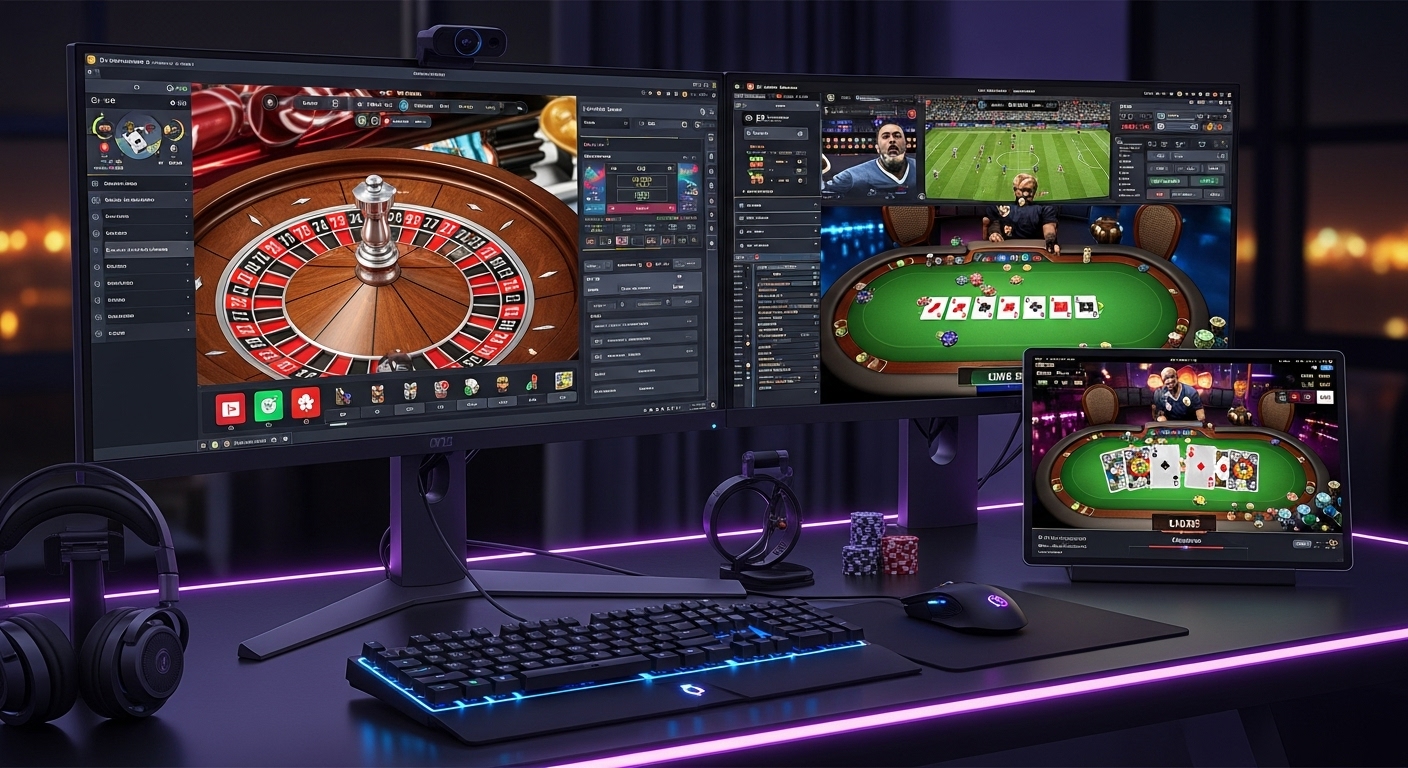






In the ever-evolving world of entertainment, few sectors have witnessed the explosive growth and transformation that iGaming has in recent years. The advent of high-speed internet, mobile technology, and secure payment systems has brought the thrill of gambling and gaming directly into the hands of millions of people around the world. iGaming, short for internet gaming, encompasses various online gambling activities such as casino games, sports betting, poker, and even eSports. As these activities shift from traditional venues to the digital space, they are reshaping the gaming landscape in profound ways.
This blog explores the rise of iGaming, its impact on the broader gaming industry, the technologies driving its growth, and its future. We’ll dive into the different types of iGaming, the technological innovations behind them, and the opportunities and challenges that lie ahead for this booming industry.
Understanding iGaming: The Foundation of Online Gambling
What is iGaming?
iGaming refers to gambling activities conducted via the internet. It includes a variety of games, such as online poker, blackjack, roulette, and slots, as well as betting on sports events, horse racing, and even virtual sports. Over the last two decades, the industry has expanded beyond traditional casino games to include eSports betting, daily fantasy sports, and live dealer games.
The term iGaming is often used interchangeably with online gambling, but it encompasses a wider range of activities, including skill-based games, lotteries, and skill-based betting. The accessibility of the internet and mobile devices has made iGaming increasingly popular, as players can now participate in these activities from the comfort of their homes or even on the go.
The Growth of iGaming: A Modern-Day Revolution
The Rise of Online Casinos
Online casinos were among the first forms of iGaming, gaining significant traction during the 1990s when internet access became more widely available. The first online casino was launched in 1994, and since then, the sector has grown at an exponential rate. By offering traditional casino games such as blackjack, roulette, and poker in an online format, casinos were able to attract players who were previously restricted by geographical location, travel time, or personal preferences.
Today, the variety of games available on online casino platforms is vast. In addition to classic games, modern online casinos feature innovative slot machines with immersive themes, progressive jackpots, and multi-player table games. The integration of live dealer technology, where real dealers broadcast games via video streaming, has also enhanced the online casino experience, creating an interactive environment where players can interact with human dealers in real time.
Sports Betting and the Emergence of eSports
Sports betting, a staple of iGaming, has undergone a dramatic transformation. What once required a trip to a physical betting shop or casino is now readily available online. From football and basketball to more niche sports such as cricket and MMA, sports betting platforms allow players to place wagers on a wide range of events.
In addition to traditional sports betting, the rise of eSports has introduced a new dimension to the industry. eSports refers to competitive video gaming, where professional players and teams compete in organized tournaments for cash prizes. The rapid growth of eSports, fueled by massive fan engagement and sponsorship deals, has also opened up new opportunities for betting. Many iGaming platforms now offer odds and betting opportunities for eSports competitions, attracting a younger, tech-savvy demographic to the world of online gambling.
The Integration of Live Gaming and Mobile Platforms
One of the key drivers of iGaming’s success has been the integration of live gaming and mobile platforms. Live dealer games, where players can interact with a real human dealer via video streaming, have made online casinos feel more like their land-based counterparts. These live gaming options offer a more immersive experience, giving players a sense of connection to a real casino environment from the comfort of their homes.
Simultaneously, mobile gaming has played a critical role in the expansion of iGaming. With smartphones and tablets becoming ubiquitous, players can now access their favorite games and betting options wherever they go. Mobile-friendly websites and dedicated iGaming apps ensure that players can continue to gamble on the move, allowing the industry to reach a broader audience.
Technologies Shaping the Future of iGaming
Virtual Reality (VR) and Augmented Reality (AR)
As iGaming becomes more integrated into the digital world, new technologies like Virtual Reality (VR) and Augmented Reality (AR) are expected to transform the player experience. Virtual Reality, which immerses players in a 3D, interactive environment, could offer players the chance to enter a virtual casino and interact with both the environment and other players in a completely immersive way.
While VR is still in its early stages within iGaming, several online casinos are experimenting with VR games that allow users to walk around virtual casinos, play games, and socialize with other players. Augmented Reality (AR), on the other hand, could bring elements of gaming into the real world, allowing players to interact with virtual objects overlaid onto their surroundings using a smartphone or AR glasses. These technologies have the potential to take online gambling and gaming to an entirely new level of immersion.
Blockchain and Cryptocurrency
Another major innovation in the iGaming space is the use of blockchain technology and cryptocurrency. Blockchain, which underpins digital currencies like Bitcoin and Ethereum, provides a decentralized and transparent way of conducting transactions. This has made it an attractive option for online gambling platforms, as it allows for secure and anonymous transactions that are resistant to fraud and hacking.
Cryptocurrency’s popularity within the iGaming sector has grown, especially for those who value anonymity and privacy when making deposits and withdrawals. Bitcoin, Ethereum, and other altcoins offer fast, low-cost transactions with fewer fees compared to traditional payment methods. The use of blockchain also enhances transparency, allowing players to verify the fairness of games through provably fair algorithms, making the gaming experience more trustworthy.
Artificial Intelligence (AI) and Machine Learning
Artificial Intelligence (AI) and machine learning are increasingly being utilized in iGaming platforms to improve the user experience and security. AI can be used to create personalized gaming experiences by analyzing player behavior and preferences to recommend games, bonuses, and promotions tailored to individual players.
Additionally, machine learning algorithms are being employed to detect patterns of problem gambling behavior. By analyzing data from user activity, platforms can identify warning signs of gambling addiction and take proactive steps to intervene, such as offering self-exclusion tools or directing players to responsible gambling resources.
The Legal and Regulatory Landscape of iGaming
Regulation and Licensing
As iGaming has grown, so has the need for regulation and oversight. Different countries have adopted varying approaches to the regulation of online gambling, with some fully embracing it and others maintaining strict bans or heavy restrictions.
For example, in the United Kingdom, iGaming is tightly regulated by the UK Gambling Commission, ensuring that operators comply with stringent rules related to fairness, transparency, and consumer protection. In contrast, in some parts of the United States, online gambling is still illegal or only available in certain states. The regulatory landscape of iGaming continues to evolve, with more countries recognizing the need for clear legislation to govern the industry and protect consumers.
Responsible Gambling and Consumer Protection
While iGaming offers immense entertainment potential, it also raises significant concerns around responsible gambling. The accessibility of online gambling, combined with the ease of making deposits and placing bets, can lead to problematic behavior for some individuals. To address these concerns, many iGaming platforms have introduced responsible gambling measures, such as self-exclusion programs, deposit limits, and time-based restrictions.
Operators are also required to implement age verification processes to ensure that only adults can access gambling services. Additionally, the integration of AI and machine learning can help detect signs of gambling addiction and provide interventions for at-risk players. Consumer protection and responsible gambling will continue to be a top priority for the iGaming industry as it grows.
The Future of iGaming: What Lies Ahead?
Continued Expansion and Innovation
The future of iGaming looks promising, with the industry expected to continue growing at a rapid pace. As more countries legalize online gambling and technological advancements make gaming experiences even more immersive, the market will likely expand even further.
Mobile gaming, in particular, will continue to drive growth, as smartphone and tablet penetration increases around the world. Similarly, the use of AI, VR, and blockchain technologies will enhance the gaming experience, providing players with more exciting, interactive, and secure options.
The Integration of Social and Competitive Gaming
The future of iGaming may also see an increased focus on social and competitive gaming. Many platforms are already incorporating social features such as multiplayer tournaments, leaderboards, and achievements to foster a sense of community among players. This shift towards competitive gaming, where players can compete for cash prizes or in tournaments, is likely to grow, especially as younger players increasingly prefer skill-based games over traditional luck-based gambling.
Conclusion: iGaming’s Growing Influence on the Gaming Industry
iGaming is no longer just a niche market—it’s a global phenomenon that has transformed how people engage with gambling and gaming. From online casinos to sports betting and eSports, iGaming platforms offer a wealth of entertainment options to players worldwide. With the rise of cutting-edge technologies like AI, VR, and blockchain, the future of iGaming promises even more exciting developments.
As the industry continues to evolve, it will be important to ensure that regulation, responsible gambling practices, and consumer protection remain at the forefront. The combination of entertainment, technology, and innovation is reshaping the gaming landscape, and iGaming is poised to play an even bigger role in the entertainment industry in the years to come.
Whether you’re a seasoned gambler or a newcomer to the world of online gaming, iGaming offers something for everyone. The question now is: are you ready to be a part of this rapidly growing industry?