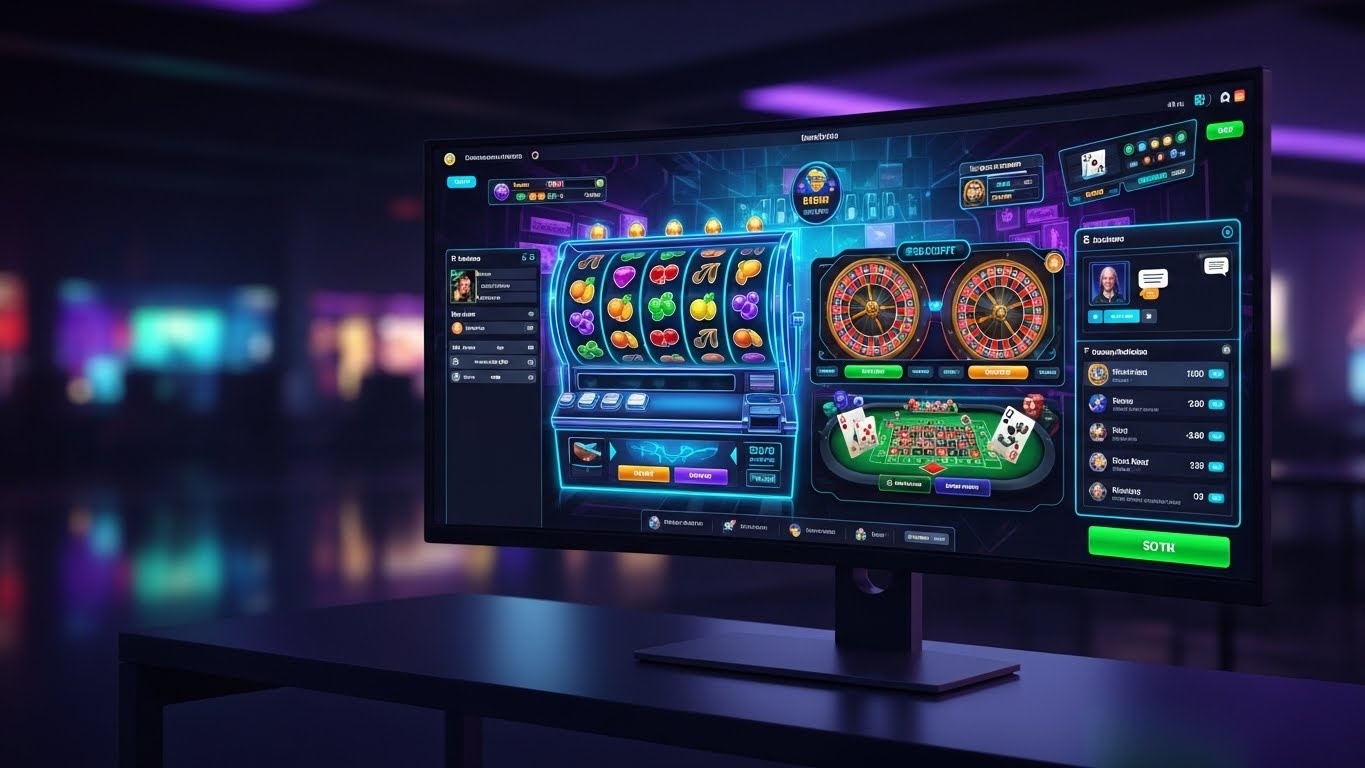






Introduction: The Rise of iGaming
The world of gaming has undergone a massive transformation over the past few decades, evolving from simple arcade games to a multi-billion-dollar industry that spans a variety of platforms, genres, and formats. One of the most significant shifts has been the rise of iGaming—an umbrella term that refers to all forms of online gaming, including online casinos, poker, sports betting, and esports betting. With advancements in technology and the widespread availability of the internet, iGaming has become a global phenomenon, attracting millions of players worldwide.
In this blog post, we will explore the world of iGaming, its rapid growth, its impact on the global entertainment industry, the technology behind it, and its future outlook. Whether you’re a casual player or someone intrigued by the potential of this digital entertainment sector, this comprehensive guide will offer valuable insights into the dynamic realm of iGaming.
Understanding iGaming: What Does It Include?
iGaming is an expansive and diverse industry that encompasses several types of online gaming experiences. At its core, iGaming refers to the practice of playing games for real money or virtual currency over the internet. The most common forms of iGaming include:
-
Online Casino Games
Online casinos replicate traditional brick-and-mortar casinos but in a digital environment. Players can enjoy a variety of games, including blackjack, poker, baccarat, roulette, and slot machines, all available at the click of a button. These games are powered by sophisticated software that ensures a fair and random outcome, using random number generators (RNGs) to simulate the randomness of physical casino games. -
Online Poker
Online poker has become one of the most popular forms of iGaming, with players from all over the world competing in virtual poker rooms. Sites like PokerStars, 888Poker, and others host regular tournaments and cash games, allowing individuals to test their skill against opponents of various levels. -
Sports Betting
Sports betting has long been a cornerstone of the gaming industry, and its transition to the online space has further fueled its popularity. Online sportsbooks offer bettors the ability to wager on a wide range of sports, from football and basketball to niche options like eSports and virtual sports. Live betting, in which users can place bets during ongoing events, has further elevated the excitement and engagement of sports betting. -
Esports Betting
Esports, or competitive video gaming, has exploded in popularity over the past decade, leading to a surge in esports betting. Platforms now allow players to wager on esports events across popular titles like League of Legends, Dota 2, Counter-Strike: Global Offensive, and others. The rise of esports has created a unique cross-section of gaming enthusiasts who not only play these games but also actively engage in betting on professional matches. -
Fantasy Sports
Fantasy sports are another growing subset of iGaming. Players create virtual teams made up of real-world athletes, earning points based on their performances in actual games. Platforms like DraftKings and FanDuel have popularized daily fantasy sports (DFS), where users can play and win money in short-term fantasy leagues.
The Global Growth of iGaming
The growth of iGaming has been nothing short of extraordinary. According to industry reports, the global iGaming market size was valued at several billion dollars in recent years and is expected to grow exponentially over the next decade. Several factors contribute to this rapid growth:
-
Technological Advancements
The development of high-speed internet, mobile devices, and cloud computing has had a profound impact on the iGaming industry. Players no longer need to be tied to desktop computers to enjoy online gaming experiences. Mobile gaming, in particular, has been a major driver, as players can access games via smartphones and tablets from anywhere at any time. -
Legalization and Regulation
Over the past decade, many countries have moved toward legalizing and regulating online gambling and sports betting, further legitimizing the industry. In the U.S., the 2018 Supreme Court ruling that struck down the federal ban on sports betting opened the floodgates for state-level legalization. This, combined with regulatory frameworks in markets like the UK, Malta, and Gibraltar, has provided a sense of security for players and operators alike, contributing to the sector’s expansion. -
Increased Access to Payment Methods
The advent of digital payment solutions, including e-wallets like PayPal, cryptocurrency, and traditional banking methods, has made it easier for players to deposit and withdraw funds. Additionally, payment security has greatly improved, making online transactions safer than ever before. -
Marketing and Affiliate Programs
iGaming companies employ extensive marketing strategies to attract players to their platforms. Affiliate programs, social media campaigns, and influencer endorsements have all contributed to the sector’s growth. The ability to reach millions of potential players globally has enabled iGaming operators to scale quickly and efficiently.
The Role of Technology in iGaming
Technology is the backbone of the iGaming industry. Without technological innovations, online gaming would not be as engaging, secure, or accessible as it is today. Some of the key technological advancements that have shaped the iGaming sector include:
-
Random Number Generators (RNGs)
RNGs are a crucial component in online casino games. These algorithms ensure that the outcomes of games like slots and poker are completely random, replicating the randomness found in physical casinos. By providing fair and unbiased results, RNGs help establish trust with players and ensure that games are not rigged. -
Live Dealer Games
Live dealer games have taken online casinos to the next level by offering a more authentic gaming experience. Players can interact with real dealers in real time through video streaming, creating an immersive experience that closely resembles playing in a physical casino. Live games like blackjack, roulette, and baccarat have gained immense popularity due to their interactive nature. -
Virtual Reality (VR) and Augmented Reality (AR)
VR and AR are slowly but surely making their way into the iGaming world. With VR headsets, players can experience fully immersive casino environments, while AR enhances the player’s experience by overlaying digital elements onto the real world. These technologies hold tremendous potential for transforming the way players engage with games and interact with other users. -
Blockchain and Cryptocurrency
The introduction of blockchain technology and cryptocurrencies like Bitcoin has also impacted the iGaming industry. Blockchain ensures transparency and security in transactions, making it easier for players to trust the system. Many iGaming platforms now accept cryptocurrencies as a method of payment, offering players greater privacy and faster transaction processing.
The Social Aspect of iGaming
While iGaming is often perceived as an individual activity, it has a significant social element. Online gaming platforms provide players with opportunities to interact with others, whether through multiplayer games, chat rooms, or live dealer tables. For example, online poker rooms allow players to chat with each other during games, adding a layer of social interaction that mimics the experience of playing in a physical casino.
Moreover, iGaming has created communities of players who share a passion for particular games. Online forums, social media groups, and streaming platforms like Twitch allow players to engage with each other, share tips, and showcase their skills. This sense of community has helped foster a deeper connection between players and has contributed to the rise of professional gamers, streamers, and esports athletes.
The Challenges and Risks of iGaming
Despite its immense growth and popularity, iGaming is not without its challenges. Some of the most pressing concerns include:
-
Addiction and Responsible Gaming
As with any form of gambling, iGaming can be addictive. The ease of access, 24/7 availability, and anonymity of online gaming can lead to unhealthy behaviors. Many iGaming platforms have implemented responsible gaming features, such as self-exclusion tools, deposit limits, and access to support resources. However, addiction remains a significant challenge in the industry. -
Regulatory Issues
The legal status of iGaming varies widely across countries. While some nations have fully embraced online gambling and betting, others still ban or restrict it. Operators must navigate complex legal landscapes, ensuring compliance with local laws and regulations. Failure to do so can lead to penalties, fines, or the shutdown of operations. -
Security Concerns
The safety and security of online transactions and user data are critical in the iGaming industry. With millions of players sharing personal and financial information, platforms must employ robust cybersecurity measures to protect against fraud, hacking, and data breaches. Trust is paramount in the iGaming world, and any breach can damage an operator’s reputation.
The Future of iGaming
The future of iGaming looks bright, with technological innovations and changing social dynamics driving the sector forward. As virtual reality, blockchain, and artificial intelligence continue to advance, iGaming platforms will become even more immersive, secure, and user-friendly.
The legalization of sports betting in more regions, particularly in the United States, will further fuel growth in the sector. Additionally, the continued rise of esports and online poker tournaments will expand the iGaming market, offering new opportunities for players and operators alike.
In conclusion, iGaming is a dynamic and evolving industry that has revolutionized the way people engage with digital entertainment. With its diverse offerings, technological advancements, and global reach, it is poised to continue its rapid growth and play an increasingly important role in the future of entertainment.