




How Mobile Gaming Changed iGaming
Introduction
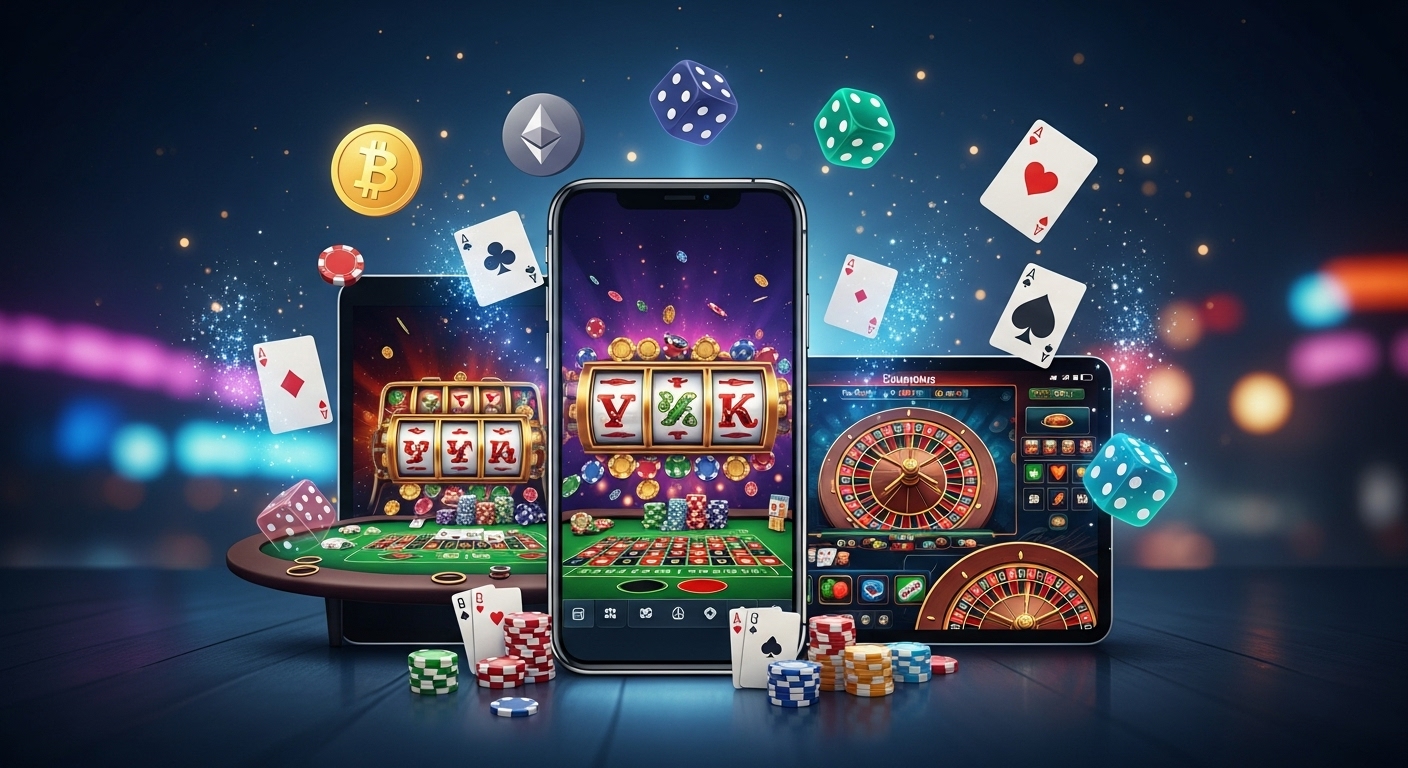
The gaming world has undergone a monumental shift in the past two decades, and at the heart of this transformation lies the rise of mobile technology. Once confined to desktop computers and consoles, gaming has become accessible to anyone with a smartphone. This evolution not only redefined the way people play but also revolutionized the iGaming industry. iGaming, which refers to online gambling and betting activities, has embraced mobile technology to reach a global audience and offer a level of convenience and engagement that was once unimaginable.
The intersection of mobile gaming and iGaming has created a new digital frontier. The accessibility of smartphones, high-speed internet, and secure payment systems has allowed millions of players worldwide to enjoy casino games, sports betting, and interactive entertainment on the go. What was once a niche online activity has now become a mainstream digital experience. This blog explores how mobile gaming changed the iGaming industry, reshaping user behavior, business models, and the very nature of digital entertainment.
The Evolution of Mobile Gaming
The journey of mobile gaming began humbly. In the early 2000s, mobile phones were limited in processing power and design. Simple games like Snake and Tetris dominated small monochrome screens. Yet even then, they revealed a critical insight—people loved gaming on the go.
As technology advanced, the introduction of smartphones transformed gaming forever. The release of the iPhone and subsequent Android devices introduced touch screens, app stores, and powerful processors capable of handling complex graphics. Developers could now create immersive and dynamic games optimized for mobile experiences.
This evolution democratized gaming. Players no longer needed expensive consoles or high-end PCs. With just a smartphone, they could access thousands of games anytime, anywhere. The mobile revolution turned gaming into one of the most accessible forms of entertainment globally, reaching audiences of all ages and backgrounds.
The Emergence of iGaming
Before mobile gaming entered the scene, iGaming had already begun to take shape through online casinos and sports betting websites. The early iGaming platforms of the late 1990s and early 2000s provided players with digital versions of traditional casino experiences. However, they were limited by the need for desktop access and often faced challenges such as slow connections and clunky interfaces.
Despite these limitations, iGaming quickly became popular among users seeking convenience and variety. Players could participate in poker tournaments, spin virtual slot machines, or place bets on sports events from their computers. The industry continued to grow, supported by advances in online payment security and software development.
Yet, even with its growing popularity, the potential for iGaming remained constrained until mobile gaming arrived. The shift to mobile platforms unlocked new levels of accessibility, personalization, and engagement, propelling iGaming into a new era.
The Convergence of Mobile and iGaming
The rise of mobile technology and the evolution of iGaming were destined to converge. As smartphones became more powerful and widely used, developers saw an opportunity to merge entertainment with convenience. The idea was simple but revolutionary—allow users to access casino games, sports betting, and other iGaming experiences directly from their phones.
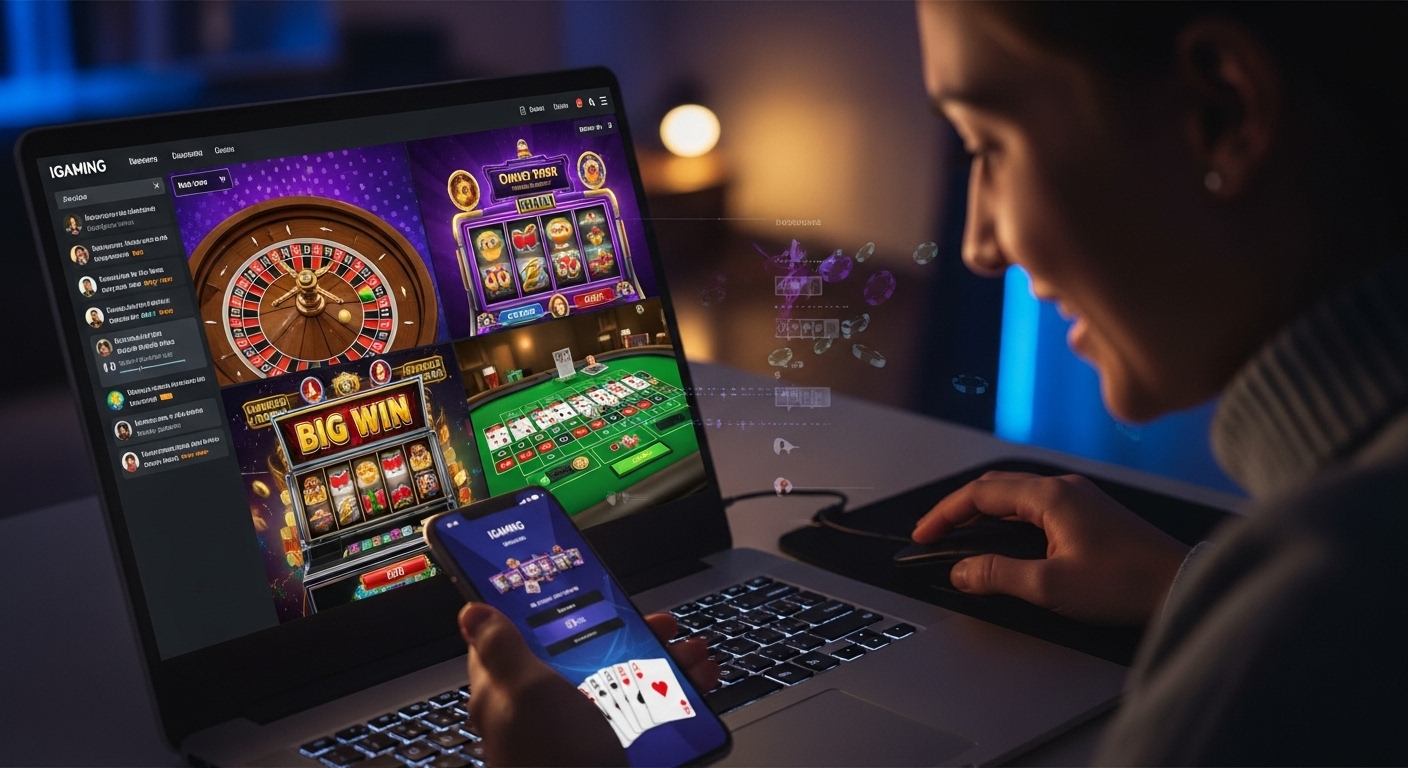
This convergence fundamentally changed the industry. Players could now enjoy roulette, blackjack, or sports wagers during their commute or from the comfort of their homes. The convenience factor became one of the primary drivers of growth. With just a few taps, users could deposit funds, play games, and withdraw winnings—all from a handheld device.
Mobile gaming also introduced intuitive user interfaces, touch-based controls, and enhanced graphics that made iGaming experiences more immersive and user-friendly. This accessibility helped expand the iGaming audience beyond traditional players to include casual gamers and younger demographics.
The Growth of Mobile iGaming Apps
The introduction of dedicated mobile apps was one of the key milestones in the transformation of iGaming. Instead of relying solely on web browsers, developers began creating apps specifically optimized for mobile devices. These apps offered smoother performance, push notifications, and secure transactions, greatly enhancing the user experience.
App stores became the gateway to digital entertainment, allowing users to download and install iGaming platforms instantly. Mobile apps also allowed operators to introduce personalized features such as player rewards, in-game bonuses, and loyalty programs. This personalization increased engagement and retention rates among players.
Furthermore, the integration of secure payment methods, including digital wallets and mobile banking, built trust among users. The ability to make instant deposits and withdrawals added to the convenience, solidifying mobile iGaming’s dominance in the market.
User Behavior and the Mobile Revolution
Mobile gaming has significantly influenced user behavior in the iGaming world. Unlike traditional casino settings, where players engage in long gaming sessions, mobile users tend to play in shorter, more frequent bursts. This shift has led developers to design games that cater to on-the-go engagement, with quick rounds and instant rewards.
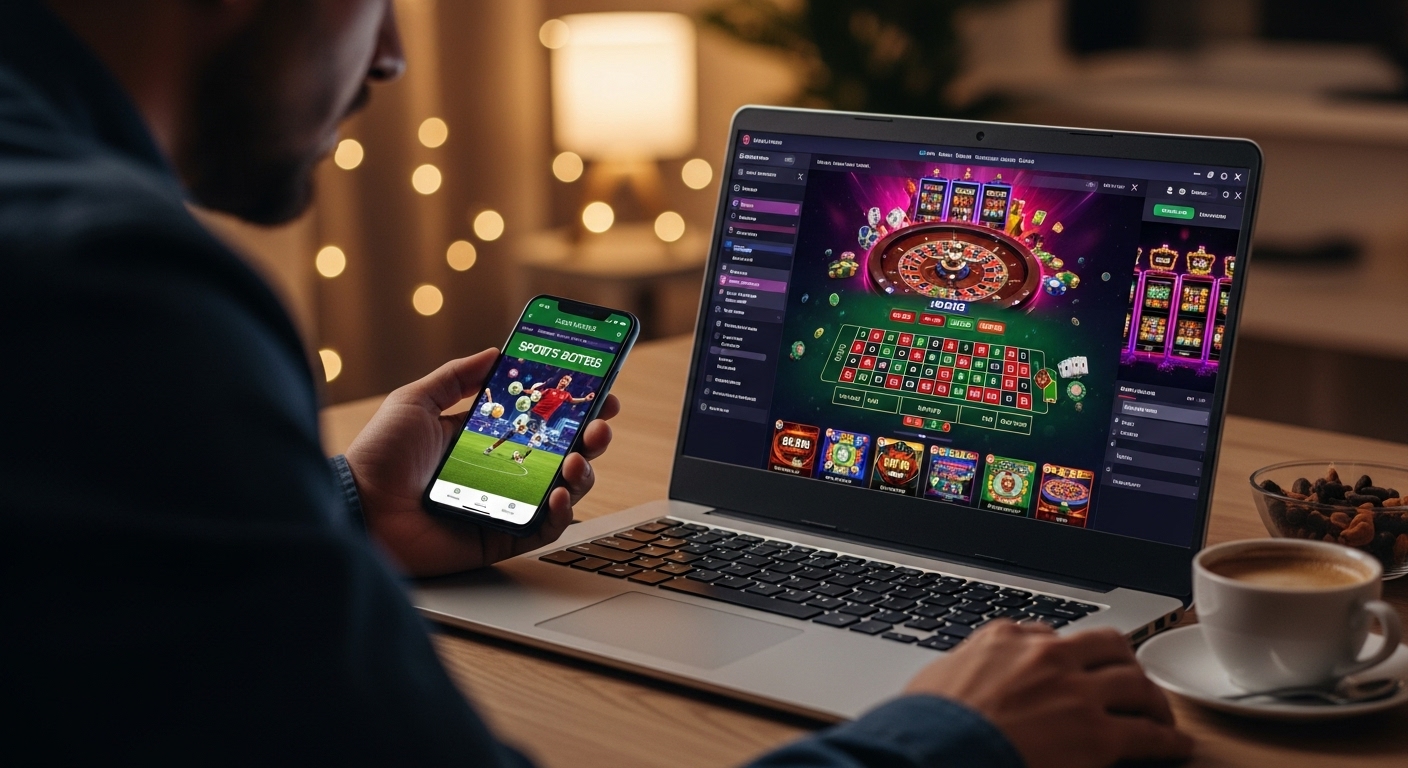
The always-connected nature of mobile devices also encourages spontaneous participation. Players can place bets during live sports events, join quick poker matches, or spin slots in their spare moments. This constant accessibility has transformed gaming into a habitual activity rather than an occasional one.
Additionally, mobile iGaming has blurred the line between social and solitary entertainment. Players can connect with friends, compete in tournaments, and share achievements through social features integrated into gaming apps. This social dimension enhances engagement and community building within the iGaming ecosystem.
Technological Advancements Fueling Mobile iGaming
The success of mobile iGaming would not have been possible without rapid technological advancements. High-speed mobile internet, such as 4G and 5G networks, has made real-time gaming and live streaming seamless. Players can participate in live dealer games, interact with hosts, and experience authentic casino environments from their phones.
The development of powerful processors and GPUs in smartphones has enabled stunning graphics and complex game mechanics once reserved for consoles or PCs. Enhanced visual effects and responsive touch controls create immersive experiences that rival traditional gaming platforms.
Security technology has also advanced, ensuring safe and encrypted transactions. Biometric authentication, such as fingerprint and facial recognition, has made logging into iGaming apps more secure and convenient. These innovations have built player confidence and contributed to the sustained growth of mobile iGaming.
The Role of Mobile Payments
Mobile payment systems have been crucial in the success of mobile iGaming. Players can fund their accounts using a variety of secure methods, including digital wallets, mobile banking, and cryptocurrency. The speed and simplicity of these transactions have removed barriers to entry and created a seamless gaming experience.
Contactless payments and one-click deposits reduce friction and encourage spontaneous play. Furthermore, the integration of financial technology has enabled instant withdrawals, making the process transparent and user-friendly. Mobile payments have transformed iGaming from a complex online process into an effortless mobile activity.
The Impact of Social Gaming and Gamification
The influence of mobile gaming has introduced new dynamics to iGaming through social gaming and gamification. Social gaming emphasizes community interaction, competition, and sharing achievements. By integrating social features into iGaming apps, developers have created environments where players can connect and celebrate wins together.
Gamification, on the other hand, applies game design elements such as levels, challenges, and rewards to enhance engagement. Players are motivated by progression systems, daily missions, and loyalty points, which increase retention and satisfaction. These elements transform traditional gambling into a more interactive and entertaining experience.
The Role of Artificial Intelligence in Mobile iGaming
Artificial intelligence (AI) plays an increasingly vital role in the mobile iGaming landscape. AI algorithms analyze player behavior to deliver personalized recommendations, bonuses, and game suggestions. This customization enhances user experience and builds long-term loyalty.
AI also contributes to fraud detection and responsible gaming initiatives. By monitoring betting patterns and identifying unusual activity, AI systems can protect users from risky behavior and ensure a safer environment. The integration of AI has made mobile iGaming smarter, safer, and more user-centric.
The Rise of Live Dealer Games on Mobile
One of the most exciting innovations in mobile iGaming is the rise of live dealer games. These games combine the convenience of digital play with the authenticity of real-world casinos. Players can interact with live dealers through high-definition video streaming, placing bets and engaging in real-time gameplay.
Live dealer games bridge the gap between virtual and physical experiences, providing a sense of presence and immersion that traditional online games lacked. The ability to join a live game from a mobile device has become one of the defining features of modern iGaming.
Regulation and Responsible Gaming
The rapid expansion of mobile iGaming has prompted greater regulatory attention. Governments and organizations have implemented measures to ensure fair play, data protection, and responsible gaming practices. Licensing authorities now require operators to adhere to strict standards for transparency and player safety.
Mobile platforms also incorporate tools that promote responsible gaming. Features such as deposit limits, time reminders, and self-exclusion options help players manage their gaming habits. These measures reflect the industry’s commitment to balancing entertainment with responsibility.
The Economic Impact of Mobile iGaming
The economic influence of mobile iGaming is substantial. The industry generates billions in global revenue each year, creating employment opportunities in software development, marketing, and customer service. Mobile gaming’s accessibility has opened new markets in regions where traditional gaming was limited, fueling economic growth and innovation.
Advertising and sponsorships also benefit from the growth of mobile iGaming. Collaborations with influencers, sports teams, and entertainment brands expand the industry’s reach and cultural relevance. Mobile technology has not only transformed gameplay but also created an ecosystem that drives digital economies.
Challenges Facing Mobile iGaming
Despite its success, mobile iGaming faces several challenges. Security remains a top priority, as cyber threats and data breaches can undermine trust. Developers must continually update encryption and authentication systems to protect players.
Another challenge is market saturation. With thousands of mobile gaming apps available, competition is fierce. Operators must differentiate themselves through quality, innovation, and player experience. Additionally, responsible gaming initiatives must keep pace with rapid growth to prevent problem gambling and ensure ethical practices.
Finally, regulatory differences across countries create complexity for global operators. Navigating licensing requirements and adapting to local laws requires careful strategy and compliance.
The Future of Mobile iGaming
The future of mobile iGaming is poised for even greater innovation. Technologies such as augmented reality (AR) and virtual reality (VR) will elevate immersion, allowing players to experience lifelike casino environments through their devices. AI-driven personalization will continue to refine player experiences, tailoring content to individual preferences.
The rise of blockchain and decentralized systems will introduce greater transparency and security in transactions. Meanwhile, 5G networks will further enhance connectivity, enabling real-time multiplayer experiences and richer graphics.
Mobile iGaming will also expand its role as a social platform. Virtual lobbies, tournaments, and live events will blend entertainment, interaction, and community engagement. The line between gaming and social networking will continue to blur, making mobile iGaming not just a pastime but a lifestyle.
Conclusion
The rise of mobile gaming has fundamentally changed the iGaming industry, turning it into one of the most dynamic sectors in digital entertainment. The combination of accessibility, technology, and innovation has created a seamless experience that connects millions of players around the world.
From casual games to immersive live dealer experiences, mobile platforms have made iGaming more inclusive and engaging than ever before. The fusion of gaming technology, financial systems, and user-centered design has redefined how people play, interact, and enjoy digital entertainment.
As mobile technology continues to evolve, so too will iGaming. The future promises even more sophisticated experiences, enhanced security, and deeper integration with everyday life. What began as a niche form of online gambling has become a global phenomenon—and mobile gaming stands at the center of that transformation, shaping the future of iGaming for generations to come.