





iGaming Revolution: How Digital Gaming is Transforming Entertainment
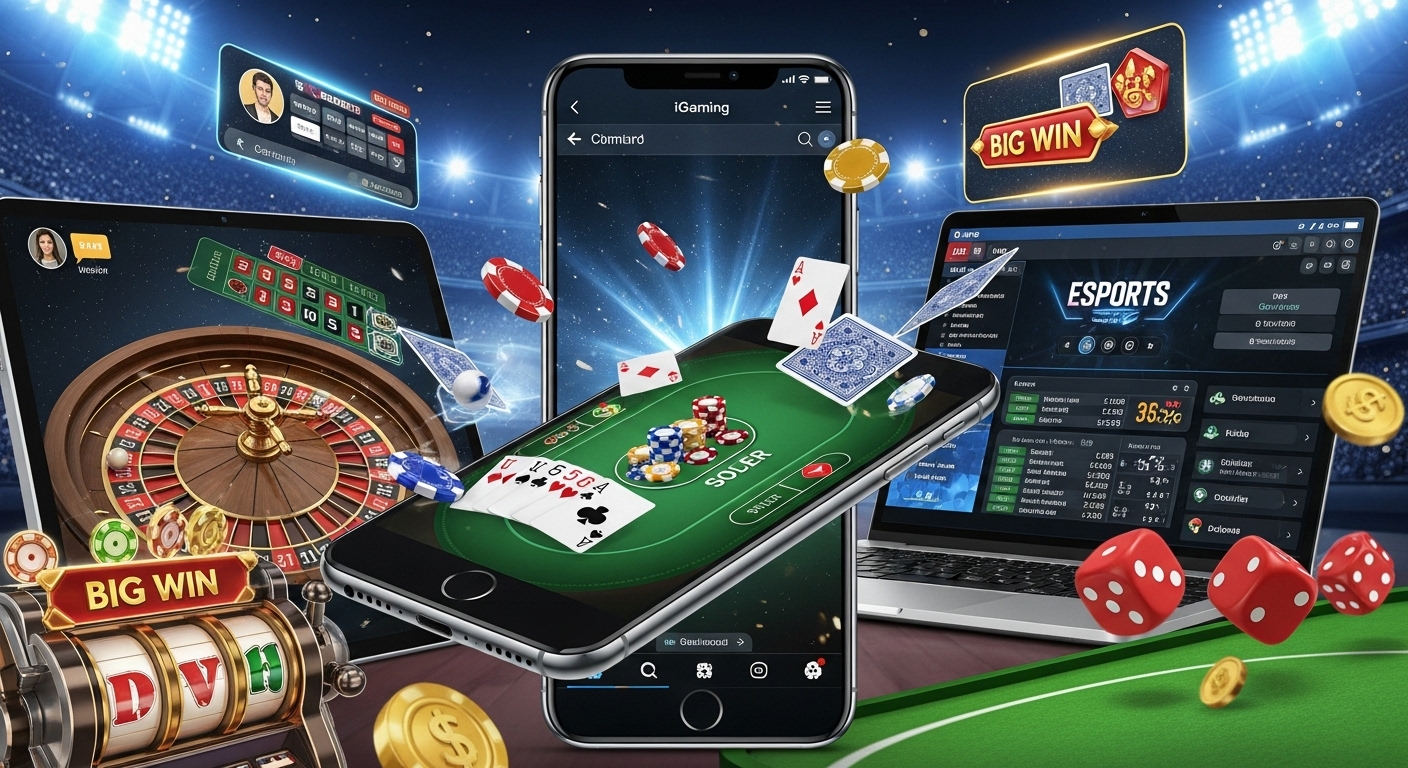
The world of gaming has evolved far beyond the traditional console or PC setup. In recent years, iGaming—short for “internet gaming”—has emerged as one of the fastest-growing entertainment sectors globally. iGaming encompasses a broad range of online games including casino games, sports betting, poker, and even virtual reality gaming experiences. With technological advancements and a surge in online engagement, iGaming has transformed from a niche hobby into a mainstream form of entertainment.
The Rise of iGaming
The growth of iGaming can be traced back to the early 2000s when the internet became more accessible and secure payment systems started to gain traction. Initially, online casinos and poker rooms attracted a small but dedicated audience. Over time, improvements in user interface design, mobile compatibility, and gaming software led to a massive surge in popularity. Today, millions of people worldwide participate in iGaming daily, enjoying an array of games from the comfort of their homes.
One of the most significant factors driving the iGaming revolution is accessibility. Unlike traditional casinos or betting establishments, online platforms operate 24/7 and are available to anyone with an internet connection. This ease of access has opened doors to a global audience, breaking geographical barriers and bringing together a community of players from diverse backgrounds.
The Technology Behind iGaming
iGaming relies heavily on advanced technology to provide an engaging and secure experience. Modern iGaming platforms use sophisticated algorithms to ensure fairness, randomization, and smooth gameplay. Random Number Generators (RNGs) are a cornerstone of online casino games, guaranteeing that outcomes are unpredictable and unbiased. This technology is continually tested and certified to maintain player trust.
Moreover, iGaming platforms leverage artificial intelligence and machine learning to enhance user experiences. Personalized recommendations, intelligent matchmaking, and adaptive difficulty levels are just some of the features powered by AI. These innovations not only make games more enjoyable but also help platforms retain players by tailoring experiences to individual preferences.
Mobile technology has also played a crucial role in the growth of iGaming. Smartphones and tablets allow players to access games anytime, anywhere, making the industry more dynamic and convenient. Mobile apps offer optimized interfaces, fast loading times, and secure payment options, creating a seamless experience that rivals desktop platforms.
Popular iGaming Categories
iGaming is not a monolithic industry. It is composed of several popular categories, each with its own unique appeal.
Online Casino Games
Online casinos are at the heart of the iGaming experience. These platforms offer a wide range of games including slots, roulette, blackjack, baccarat, and poker. The thrill of gambling combined with the convenience of online access has made virtual casinos extremely popular. Many platforms also provide live dealer games, where players can interact with real dealers via high-definition video streaming, further enhancing the immersive experience.
Sports Betting
Sports betting has also seen significant growth in the iGaming sector. Online sportsbooks allow users to place bets on a variety of sports including football, basketball, tennis, and esports. The rise of esports has introduced a younger audience to sports betting, blending competitive gaming with real-world stakes. Advanced analytics and real-time updates have made online betting more engaging and strategic, attracting seasoned gamblers and casual fans alike.
Poker and Card Games
Poker has long been a staple of both physical and online gaming. Online poker rooms host tournaments, cash games, and social poker experiences. Platforms use AI and secure networking to ensure fair play and prevent cheating. The flexibility of online poker, combined with the ability to play with people from around the world, has expanded the player base considerably.
Virtual Reality and Immersive Experiences
The future of iGaming is closely tied to immersive technologies like virtual reality and augmented reality. VR casinos allow players to navigate digital environments, interact with other users, and engage with games in a fully immersive manner. While still in its early stages, VR iGaming offers a glimpse into the next generation of online entertainment, promising an experience that closely mirrors real-life interactions.
The Impact of Regulation
iGaming operates within a complex regulatory framework that varies across countries and regions. Governments and regulatory authorities have introduced laws to ensure fairness, security, and responsible gaming practices. Licensed platforms are required to meet strict standards for transparency, payout percentages, and player protection.
Regulation has not only helped protect players but also legitimized the industry. Countries with clear iGaming laws have seen increased tax revenue and job creation, while platforms benefit from enhanced credibility and trust. However, navigating the legal landscape can be challenging for both operators and players, making awareness of local regulations essential.
Responsible Gaming
With the growth of iGaming, responsible gaming has become a central concern. Addiction, overspending, and compulsive behavior can pose significant risks to players. To mitigate these risks, reputable platforms implement features such as self-exclusion, deposit limits, and reality checks.
Education is also crucial. Players must understand odds, probabilities, and the mechanics of the games they play. By fostering a culture of responsible gaming, the industry aims to provide entertainment while minimizing potential harm.
The Social Aspect of iGaming
Contrary to the perception that online gaming is a solitary activity, iGaming has a strong social component. Multiplayer games, tournaments, and live dealer experiences enable players to interact with others, forming communities and networks. Chat functions, forums, and social media integration further enhance connectivity, making gaming not just a pastime but a shared social experience.
Online competitions and esports tournaments have also transformed gaming into a spectator sport. Fans watch professional players and streamers, creating a sense of community and shared excitement. This social dimension has been key to the industry’s rapid growth and cultural influence.
Economic Potential of iGaming
iGaming is not just a source of entertainment—it is a thriving economic ecosystem. The industry generates billions of dollars in revenue annually, supporting jobs in software development, marketing, customer service, and data analytics. Online casinos, sportsbooks, and poker rooms attract investment and contribute to local economies through taxation and licensing fees.
The economic potential also extends to technological innovation. Game developers, AI specialists, and cybersecurity experts are all in high demand, driving advancements that benefit other sectors. iGaming’s growth creates opportunities not just for players but also for entrepreneurs and professionals seeking to enter a booming digital industry.
Challenges and Opportunities
Despite its rapid growth, iGaming faces several challenges. Cybersecurity threats, fraudulent activities, and problem gambling remain significant concerns. Platforms must continually invest in security measures, robust verification systems, and ethical gaming practices to maintain player trust.
However, these challenges are matched by opportunities. The integration of blockchain technology, cryptocurrency payments, and NFTs offers new avenues for innovation. Additionally, expanding internet penetration and smartphone adoption in emerging markets create untapped potential for the industry. Companies that can balance innovation with ethical practices are likely to lead the next wave of growth.
The Future of iGaming
The future of iGaming promises continued expansion and transformation. Advances in artificial intelligence, virtual reality, and blockchain technology will redefine player experiences. Personalized gaming, immersive environments, and decentralized platforms may become the norm, making iGaming more interactive, transparent, and rewarding.
As technology continues to evolve, the line between traditional gaming, esports, and online gambling will blur. Players will have access to an unprecedented variety of games and experiences, combining entertainment, competition, and social interaction in ways never before possible.
Moreover, with increasing regulatory clarity and responsible gaming initiatives, iGaming has the potential to establish itself as a mainstream, socially responsible form of digital entertainment. This combination of innovation, accessibility, and regulation positions iGaming as one of the most dynamic sectors in the entertainment industry today.
Conclusion
iGaming has transformed the way people interact with games, entertainment, and each other. From online casinos and poker rooms to sports betting and immersive virtual experiences, the industry offers a vast array of opportunities for players and entrepreneurs alike. Driven by technological innovation, accessibility, and social connectivity, iGaming continues to grow, promising an exciting future for both casual players and professional enthusiasts.
As the industry matures, the balance between entertainment and responsible gaming will remain crucial. Platforms that embrace ethical practices, leverage new technologies, and prioritize user experience are likely to shape the next era of digital gaming. The iGaming revolution is here, and it is changing entertainment as we know it.