




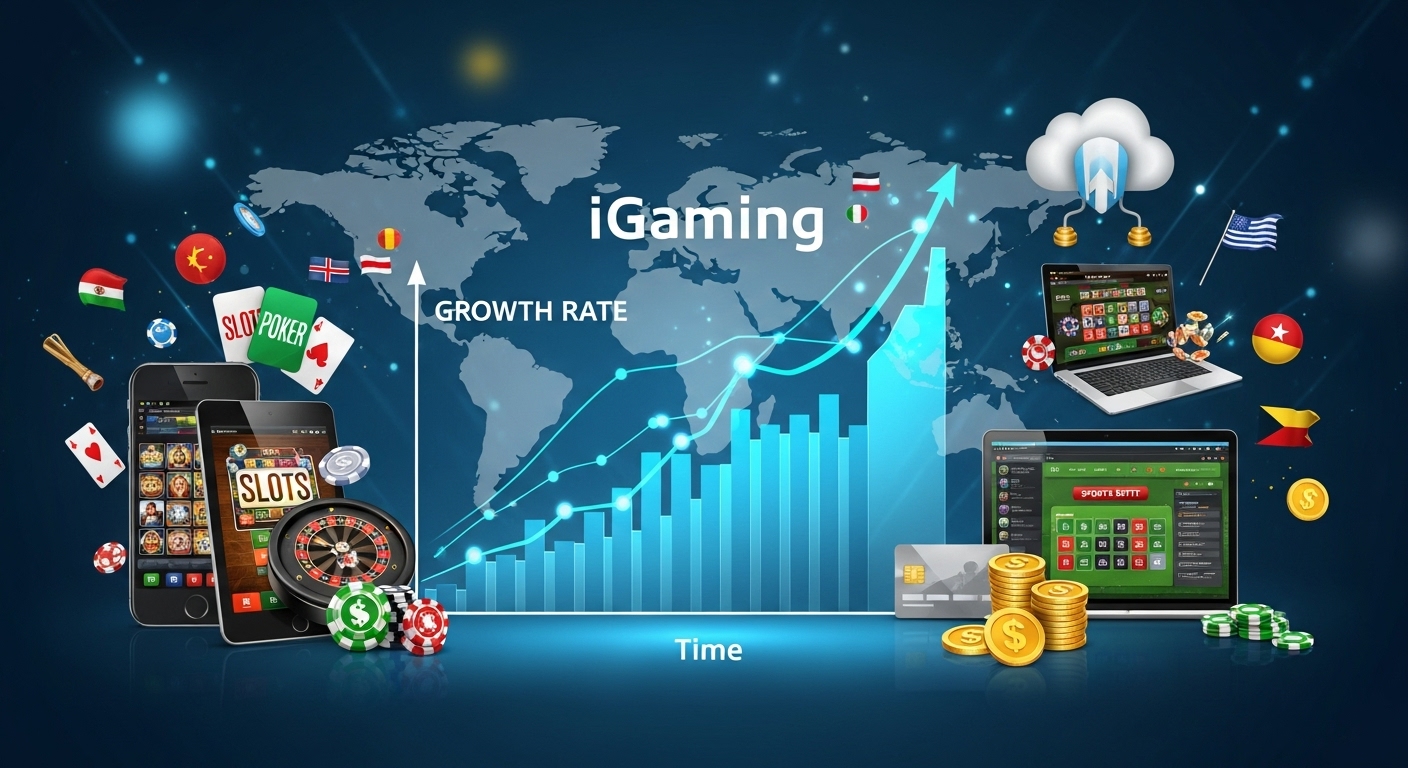
The gaming industry has never stood still. Over the past two decades, traditional casinos, sports betting shops, and casual home card games have gradually been overshadowed by something faster, more accessible, and increasingly global: iGaming. From online poker rooms to mobile sports betting apps, iGaming is not just expanding—it is accelerating at a pace that even seasoned analysts did not expect.
So why is this growth happening now, and why does it feel faster than ever before? Several converging forces are shaping this surge: technology, consumer behavior, regulatory shifts, cultural acceptance, and the way digital entertainment has rewired how people spend their leisure time.
Let’s break down the main drivers.
The Digital Transformation of Leisure
Every major entertainment sector has experienced its digital revolution. Music shifted from CDs to streaming, movies went from DVDs to Netflix, and even fitness turned into connected apps and wearables. Gambling and gaming were never going to remain exceptions.
iGaming thrives on the same principles that made Spotify or Netflix mainstream: convenience, personalization, and immediacy. A blackjack hand is no longer limited to a casino floor. A soccer bet does not require walking into a betting shop. The entire experience now lives on phones, laptops, or tablets.
As leisure time becomes fragmented, consumers want activities they can start, stop, and resume instantly. iGaming fits this demand perfectly. You can play a few rounds of online roulette on a commute, place a quick sports bet during halftime, or enter a poker tournament without leaving your home.
Smartphones as Game-Changers
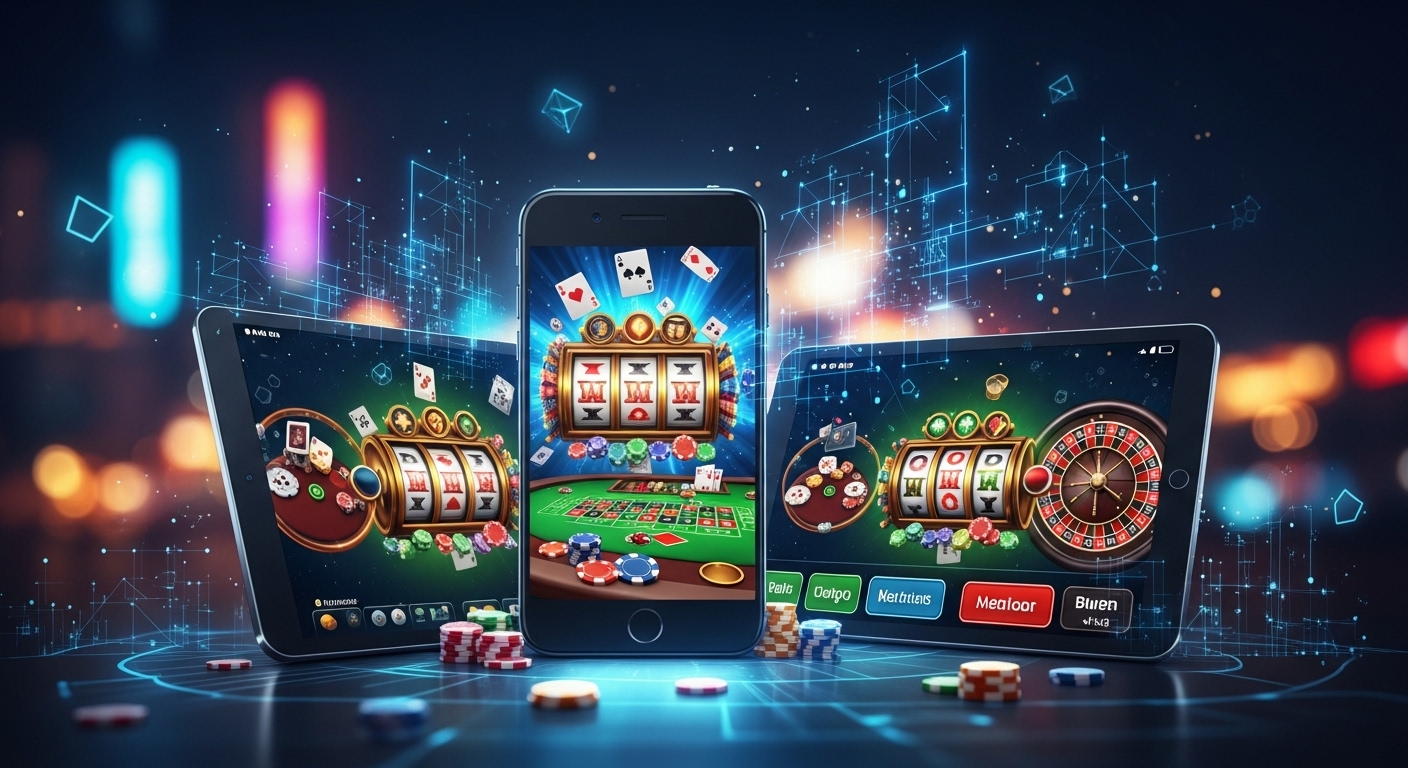
While desktop platforms laid the groundwork for iGaming, smartphones transformed it into an everyday habit. Today, mobile penetration across much of the world is near total. With faster processors, secure payment systems, and high-quality displays, smartphones offer the ideal environment for real-time play.
The mobile app ecosystem also adds layers of push notifications, reward systems, and personalized offers that keep players engaged. This is not unlike how social media apps capture attention—except here, the experience is paired with the thrill of competition and potential monetary reward.
Mobile-first design is now the standard in iGaming. Companies are building streamlined apps optimized for quick loading times, simple interfaces, and in-app wallets that make payments seamless. This has dramatically expanded the market beyond traditional casino-goers, pulling in younger audiences who may never set foot in Las Vegas but have no hesitation downloading a betting app.
Shifting Regulations and Legalization
One of the biggest accelerators of iGaming has been the shift in legal landscapes. Just a decade ago, online betting was heavily restricted in most regions. Today, the trend is moving in the opposite direction.
The United States is perhaps the most striking example. After the Supreme Court lifted the federal ban on sports betting in 2018, dozens of states began legalizing and regulating online sportsbooks. Europe has long been ahead, with countries like the UK, Spain, and Italy embracing structured online gambling frameworks. Even traditionally conservative markets in Asia are exploring controlled versions of iGaming.
Legalization brings two advantages: consumer confidence and corporate investment. Players feel safer when a platform is regulated, while companies can invest in marketing, partnerships, and innovation without fear of sudden shutdowns. This legitimization fuels both adoption and long-term growth.
Cultural Normalization
Not too long ago, gambling carried a social stigma. It was seen as secretive, risky, or confined to casino resorts. Today, cultural attitudes have shifted dramatically. Betting on sports has become as casual as fantasy football. Online poker is televised and streamed to global audiences. Social media influencers openly discuss betting slips and gaming strategies.
In other words, iGaming has crossed over into mainstream entertainment. It no longer sits on the fringes of acceptable leisure activities. In some regions, it has even become part of social bonding. Groups of friends may bet together on games, just as they might pool money for a March Madness bracket or World Cup predictions.
This normalization is key to why growth feels so rapid. The barriers of guilt, secrecy, or exclusivity have eroded, leaving a much wider audience willing to participate.
Technology Enhancements Beyond Mobile
While mobile is central, other technologies are also shaping iGaming’s trajectory.
- Live dealer streaming: Players can join a live blackjack table via high-definition video streams, interacting with real dealers in real time. This blends the authenticity of physical casinos with digital convenience.
- Artificial intelligence: Platforms now use AI to personalize offers, recommend games, and monitor risky behavior for responsible gaming compliance.
- Virtual and augmented reality: Though still emerging, VR casinos and AR betting experiences are beginning to appear, hinting at future immersive worlds.
- Blockchain and crypto integration: For players concerned about privacy or cross-border payments, cryptocurrency has opened new doors. Some platforms even build decentralized gaming ecosystems where fairness is verified on-chain.
Each of these technological steps adds both novelty and trust, making iGaming more appealing and sticky.
The Pandemic Effect
It would be impossible to discuss iGaming’s growth without acknowledging the pandemic. Lockdowns shut down casinos, halted sports leagues temporarily, and confined people to their homes. Many discovered or revisited online betting and gaming during this period.
While not all of that activity persisted after restrictions lifted, a significant portion of those new users stayed. Habits formed quickly, and convenience proved hard to abandon. For the iGaming industry, the pandemic accelerated digital adoption by several years, much like it did for remote work, online shopping, and streaming media.
Younger Generations and Gamification
Another overlooked factor is generational change. Millennials and Gen Z grew up in a digital-first world where online payments, microtransactions, and virtual economies are second nature. For them, iGaming does not feel foreign—it feels like a natural extension of the gaming ecosystems they already inhabit.
Many iGaming platforms borrow heavily from video game design, using achievements, leaderboards, and challenges to keep engagement high. This gamification strategy resonates especially well with younger users, making the experience feel less transactional and more interactive.
Globalization and Accessibility
Finally, iGaming is scaling because it is borderless. A poker tournament can feature players from dozens of countries. A sportsbook app can cover everything from American football to cricket to eSports.
This global reach expands the potential audience exponentially. While physical casinos are limited by geography, online platforms thrive on diversity. An Indian cricket fan, a Spanish soccer fan, and a Canadian hockey fan can all participate on the same platform, sometimes even in the same event.
Challenges Ahead
Of course, growth does not come without challenges. Regulatory patchworks remain complex, with some regions still outright banning iGaming. Concerns about problem gambling, underage access, and data security are also real. Platforms must invest heavily in safeguards, education, and responsible gaming tools to maintain credibility.
Furthermore, competition is intense. With so many platforms launching, differentiation becomes harder. Loyalty may hinge less on odds or game selection, and more on user experience, customer service, and innovative features.
Conclusion: A Perfect Storm of Growth
The iGaming industry sits at the crossroads of several powerful trends: digital convenience, smartphone dominance, regulatory acceptance, cultural normalization, and technological innovation. Add in the pandemic’s acceleration effect, and the result is a market expanding at unprecedented speed.
For players, this means more options, better platforms, and richer experiences. For operators, it means opportunity but also pressure to innovate responsibly.
What seems clear is that iGaming is no longer a niche. It has become a mainstream pillar of entertainment—one that will likely keep growing, faster than ever, in the years ahead.