





iGaming Revolution: How Technology is Transforming Online Gaming
Introduction: The Rise of iGaming
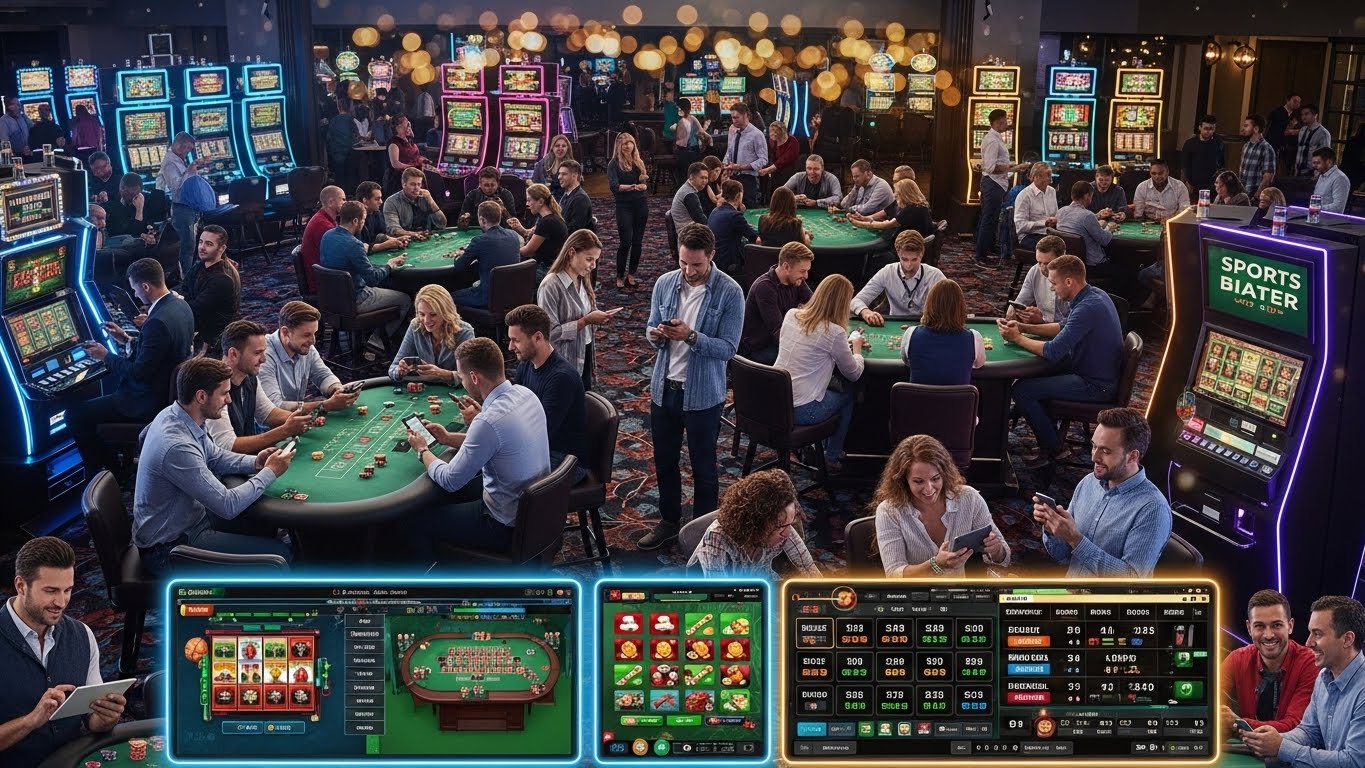
iGaming, or interactive gaming, has transformed the way people engage with gambling and online entertainment. Unlike traditional casinos, iGaming combines advanced technology with gaming mechanics to create immersive, accessible, and highly engaging experiences. From online slots and poker to sports betting and live casino games, iGaming offers players the thrill of gambling from the comfort of their homes. The rapid growth of this industry reflects broader trends in digital entertainment, changing consumer behavior, and technological innovation.
The Evolution of iGaming
The history of iGaming dates back to the 1990s when online casinos first emerged. Early platforms offered simple digital versions of traditional casino games, limited in graphics and interactivity. With the rise of high-speed internet and mobile devices, iGaming evolved into a sophisticated ecosystem featuring live dealer games, real-time multiplayer platforms, and complex betting systems. Today, iGaming blends technology, design, and entertainment, creating experiences that rival physical casinos while offering unique digital advantages.
Popular iGaming Platforms
iGaming encompasses a wide variety of platforms catering to different types of players. Online casinos provide digital versions of slots, roulette, blackjack, and poker. Sports betting platforms allow users to wager on football, basketball, horse racing, and esports. Additionally, mobile gaming apps have made iGaming more accessible, enabling players to participate anytime and anywhere. Live casino experiences, powered by real dealers and streaming technology, bridge the gap between online and physical gambling, providing an authentic and interactive environment.
The Role of Technology in iGaming
Technology is at the heart of iGaming’s growth. Random number generators ensure fair gameplay, while secure encryption protects financial transactions and personal data. Streaming technology enables live dealer experiences, creating realistic casino atmospheres. Artificial intelligence is used to personalize player experiences, analyze user behavior, and offer tailored promotions. Mobile optimization ensures seamless gameplay across devices, while blockchain and cryptocurrency integration are introducing new levels of transparency and financial flexibility.
Regulation and Licensing in iGaming
A key factor in iGaming’s success is regulation. Licensed operators adhere to strict guidelines to ensure fair play, responsible gambling, and secure transactions. Regulatory bodies oversee compliance, auditing platforms to protect users. Licensing also builds trust, encouraging players to engage with platforms knowing they meet established standards. Countries with well-regulated iGaming markets often see higher growth, as consumer confidence drives adoption and long-term industry sustainability.
Responsible Gambling and Player Protection
Responsible gambling is a central concern in iGaming. Platforms implement tools to help players manage their spending, time, and gaming habits. Self-exclusion options, deposit limits, and reality checks are standard features designed to prevent problem gambling. Education and awareness campaigns are also vital in promoting healthy gaming practices. By prioritizing player protection, iGaming platforms ensure that entertainment remains safe, enjoyable, and sustainable for a broad audience.
The Impact of Mobile Gaming
Mobile technology has revolutionized iGaming. Smartphones and tablets allow users to access games anytime, anywhere, increasing engagement and participation. Mobile apps are optimized for touchscreen interfaces, offering intuitive controls and immersive graphics. Push notifications, in-app promotions, and social connectivity enhance the user experience. The convenience of mobile gaming has contributed significantly to the expansion of the iGaming market, attracting new players and expanding traditional demographics.
Live Casino Experiences
Live casino games represent a major innovation in iGaming. By streaming real dealers in real-time, players experience the thrill of a traditional casino from home. Games such as blackjack, roulette, and baccarat are hosted by professional dealers, with multiple camera angles enhancing immersion. Interactive chat functions allow players to engage with dealers and other participants, creating a social aspect often missing in digital games. Live casinos combine technology, authenticity, and entertainment, redefining the online gambling experience.
Sports Betting and eSports Integration
Sports betting has become a major component of iGaming. Platforms allow users to wager on a wide range of sports events, including football, basketball, tennis, and horse racing. The rise of esports has introduced competitive gaming into the betting landscape, attracting younger audiences and tech-savvy players. Real-time odds, live streaming, and in-play betting features enhance engagement, providing dynamic experiences that go beyond traditional betting methods. This integration demonstrates iGaming’s ability to adapt and innovate in response to emerging trends.
The Role of Artificial Intelligence in iGaming
Artificial intelligence is increasingly shaping iGaming platforms. AI analyzes player behavior to deliver personalized recommendations, promotions, and game suggestions. Fraud detection systems use machine learning to identify suspicious activity and prevent cheating. AI-powered chatbots improve customer support, offering instant assistance to users. By leveraging AI, iGaming platforms enhance the player experience, streamline operations, and maintain security, ensuring that digital gaming remains both engaging and trustworthy.
Cryptocurrency and Blockchain in iGaming
Cryptocurrency and blockchain are transforming the financial landscape of iGaming. Digital currencies such as Bitcoin and Ethereum enable secure, fast, and anonymous transactions. Blockchain ensures transparency, allowing players to verify game fairness and transaction integrity. Smart contracts facilitate automated payouts and conditional betting. This technology not only enhances security and trust but also opens the door for new innovations in gaming mechanics, loyalty programs, and cross-platform integration.
The Social Aspect of iGaming
iGaming is increasingly a social experience. Multiplayer games, live chat functions, and interactive tournaments allow players to connect globally. Community features such as leaderboards, challenges, and rewards foster engagement and loyalty. Social interactions enhance entertainment value, creating a sense of belonging among players. The combination of competition, communication, and shared experience transforms iGaming from a solitary activity into a vibrant, interactive community.
Market Trends and Growth
The iGaming market is experiencing exponential growth. Advances in technology, mobile adoption, and internet penetration contribute to a continuously expanding player base. Regional markets are emerging in areas with favorable regulation, while new demographics are entering the online gaming space. Innovations such as virtual reality casinos, skill-based games, and gamification elements drive engagement and attract diverse audiences. As the industry evolves, continuous adaptation and innovation remain essential for sustained growth.
Challenges in iGaming
Despite its success, iGaming faces several challenges. Regulatory compliance varies across regions, making international expansion complex. Cybersecurity threats, including hacking and fraud, pose risks to both operators and players. Player retention requires constant innovation and personalized experiences to maintain engagement. Additionally, responsible gambling initiatives must keep pace with growing player bases to prevent negative social impacts. Addressing these challenges is crucial for the long-term sustainability and credibility of the industry.
The Future of iGaming
The future of iGaming is promising and full of potential. Virtual reality and augmented reality will create even more immersive casino experiences. AI-driven personalization will further enhance player engagement, offering tailored experiences that match individual preferences. Mobile and social integration will expand the reach of platforms, making iGaming more accessible than ever. As technology and regulation continue to advance, the industry will become more secure, interactive, and inclusive, attracting players worldwide and setting new standards for digital entertainment.
Conclusion: iGaming as a Digital Entertainment Powerhouse
iGaming has evolved from simple online casino games into a sophisticated, technology-driven entertainment industry. It combines innovation, accessibility, social engagement, and personalized experiences to create compelling platforms for players. Responsible gambling, regulatory compliance, and technological advancements ensure that iGaming remains safe, fair, and enjoyable. As the industry continues to innovate, iGaming will play an increasingly prominent role in digital entertainment, offering endless opportunities for players, developers, and investors alike. The revolution in online gaming is only beginning, and the future promises even greater immersion, interactivity, and excitement.