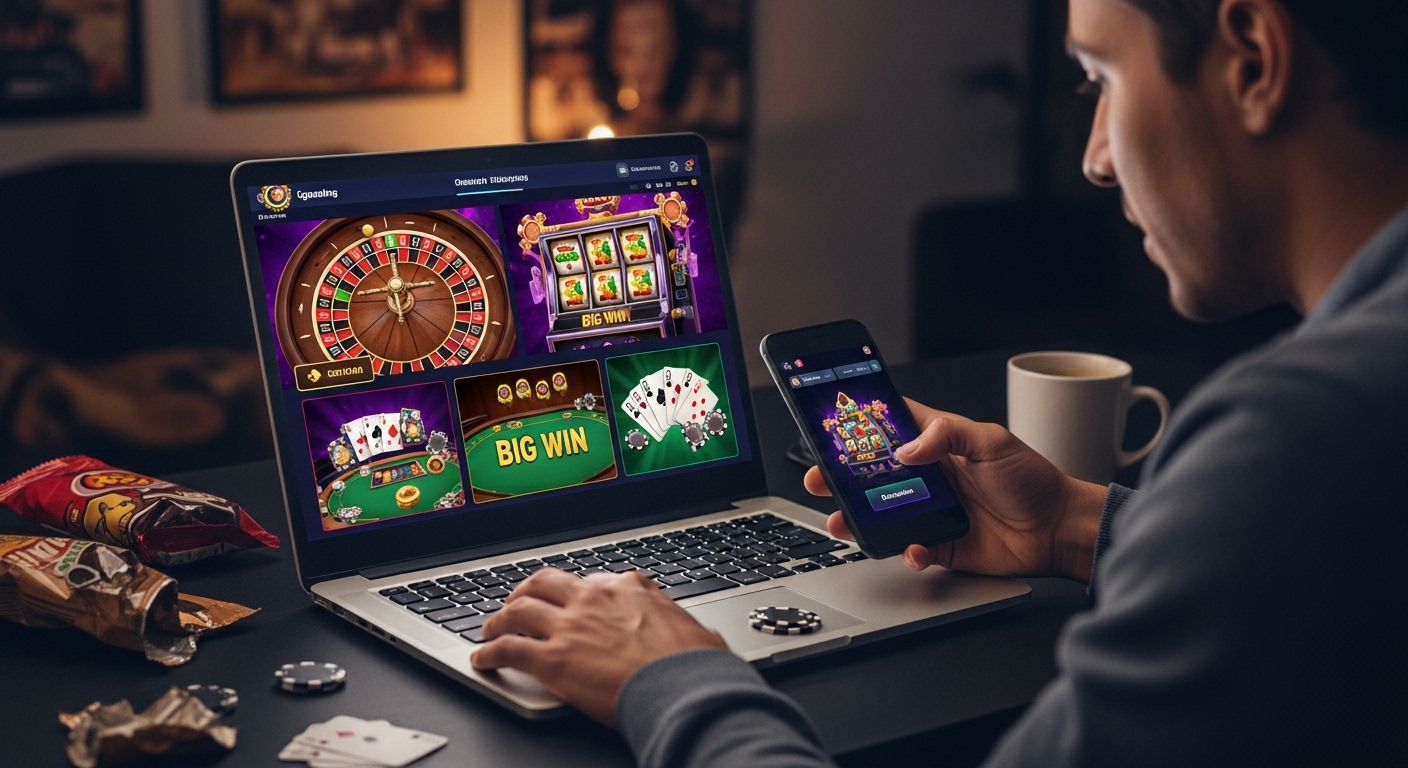






The world of iGaming, or internet gaming, has undergone an extraordinary transformation over the past two decades. What was once a niche and somewhat taboo activity has now blossomed into a global multi-billion-dollar industry. From online casinos to sports betting and virtual poker rooms, iGaming encompasses a wide range of digital gaming activities that have changed the landscape of traditional gambling. As technology continues to evolve, so does the scope and nature of iGaming, making it one of the most dynamic and rapidly expanding sectors of the entertainment industry today.
Understanding iGaming: More Than Just Online Casinos
iGaming refers to the broad category of online gambling, which includes all forms of gaming that involve monetary wagers over the internet. While many people initially associate iGaming with online casinos, the term is much broader and encompasses activities such as:
-
Online casino games: These include classic games such as slots, roulette, blackjack, and poker.
-
Sports betting: People can place wagers on a variety of sports, from football and basketball to niche markets like eSports and virtual sports.
-
Virtual poker: Online platforms that allow individuals to participate in poker tournaments and cash games against players from around the world.
-
Fantasy sports: A relatively newer aspect of iGaming, where players can draft and manage virtual teams and earn money based on the performance of real-life athletes.
The rise of iGaming can be attributed to several factors, most notably the widespread availability of the internet and the development of secure payment systems. As more players embraced the convenience and accessibility of online gambling, iGaming platforms began to evolve and offer a range of new features, including live dealer games, mobile gaming, and a wider selection of games.
The Early Days of Online Gambling
The history of iGaming dates back to the mid-1990s, when the first online casinos started appearing. In 1994, the government of Antigua and Barbuda passed the Free Trade and Processing Act, which allowed online gambling operators to establish their businesses and offer remote gaming services to players worldwide. The first fully functional online casino, InterCasino, launched in 1996, allowing users to play traditional casino games like slots, blackjack, and roulette from the comfort of their own homes.
At this time, the concept of online gambling was still in its infancy, and players were few. The platforms lacked the sophistication and variety seen in today’s iGaming world, but they laid the groundwork for the industry’s massive growth in the coming years.
The real breakthrough came in the early 2000s when high-speed internet became more widespread. As technology improved, so did the gaming experience. The introduction of secure payment methods (such as PayPal and credit card transactions) gave players peace of mind when depositing and withdrawing funds. The launch of online poker rooms also played a key role in the growth of iGaming, with platforms like PartyPoker and PokerStars offering players a chance to compete against each other in real-time poker tournaments.
iGaming Goes Mainstream
Fast forward to the mid-2010s, and iGaming had become a global phenomenon. The evolution of mobile technology played a major role in this shift, with smartphones becoming the primary device for many online gamblers. Mobile casinos and betting apps made it easier for players to access their favorite games on the go, whether they were commuting to work or relaxing at home.
This era also saw the rise of live dealer games—online games hosted by real-life dealers that streamed to players’ devices in real-time. Live blackjack, live roulette, and live baccarat became a staple of iGaming, offering players a more authentic, interactive experience than traditional software-based games.
With the growing popularity of iGaming, more operators entered the market, creating a competitive and rapidly expanding ecosystem. This led to better platforms, more game variety, and, ultimately, better user experiences. As competition increased, operators began offering lucrative welcome bonuses, free spins, and other promotions to attract new players and retain existing ones.
The global nature of the internet also meant that iGaming became accessible to players in regions where gambling was traditionally restricted. By 2015, many countries had introduced regulatory frameworks to govern online gambling, providing players with a safer, more secure environment in which to wager.
The Explosion of Sports Betting
One of the most significant aspects of iGaming’s growth is the booming sports betting market. While sports betting has been around for centuries, it has become one of the central pillars of iGaming in the digital age. The ability to place bets on sports in real-time, track live odds, and access a wide range of markets has turned sports betting into a $100 billion-plus industry.
The development of in-play betting, which allows users to place wagers on live matches while games are happening, has been a game-changer. For example, sports bettors can now place bets on specific outcomes within a game, such as the next team to score or the next player to receive a card. This level of interactivity keeps users engaged and invested throughout the entirety of a sporting event.
The widespread growth of eSports betting also played a pivotal role in the expansion of the iGaming industry. With competitive gaming gaining mass appeal, bettors began to place wagers on popular video game titles like League of Legends, Counter-Strike, and Dota 2. The rise of eSports tournaments and streaming platforms like Twitch opened up new revenue streams for the iGaming sector and attracted a younger, tech-savvy demographic to online gambling.
The Regulatory Landscape of iGaming
As iGaming grew in popularity, the need for regulation became increasingly apparent. Different countries around the world approached the regulation of online gambling in various ways, leading to a patchwork of laws that govern the industry today.
In many regions, licensed and regulated online gambling platforms are allowed to operate, ensuring that players are protected from fraud and unfair practices. Regulatory bodies such as the UK Gambling Commission and the Malta Gaming Authority have set industry standards for fairness, transparency, and player safety.
While some countries, such as the United Kingdom, have embraced and regulated online gambling, others have been more hesitant. For instance, the United States has had a complex and evolving stance on iGaming, with some states like New Jersey and Pennsylvania legalizing online gambling, while others maintain strict prohibitions.
The rise of cryptocurrency has also added another layer of complexity to the regulatory environment. As digital currencies like Bitcoin and Ethereum became more widely adopted, some iGaming operators began accepting these payment methods. While cryptocurrencies offer greater anonymity and quicker transaction times, they also raise concerns about money laundering and fraud. In response, regulators have worked to develop frameworks to address these challenges while still allowing players to enjoy the benefits of digital currencies.
The Future of iGaming: Trends and Innovations
As technology continues to advance, iGaming is poised for even greater growth. Here are a few trends and innovations that are shaping the future of the industry:
-
Virtual Reality (VR) and Augmented Reality (AR): VR and AR have the potential to revolutionize iGaming by creating fully immersive, interactive casino experiences. Players could step into a virtual casino environment or even participate in live sports betting events in an entirely new way.
-
Artificial Intelligence (AI): AI is being used to enhance the user experience in a variety of ways, from personalized recommendations based on past play to intelligent bots that offer customer support.
-
Blockchain and Cryptocurrencies: Blockchain technology could improve transparency and security in iGaming transactions, making it easier for players to verify the fairness of games. Cryptocurrencies are likely to continue playing an important role in iGaming, offering fast, secure, and anonymous transactions.
-
Mobile Gaming: The continued rise of mobile gaming will make iGaming more accessible than ever, with more operators offering mobile-friendly platforms and apps to cater to on-the-go players.
The Social and Ethical Implications of iGaming
As iGaming continues to grow, there are several social and ethical concerns that need to be addressed. One of the most pressing issues is problem gambling. The ease and accessibility of online gambling have raised concerns about addiction, particularly among younger players. Many iGaming platforms are implementing responsible gambling measures, such as self-exclusion tools, spending limits, and access to support services.
Additionally, the rise of gambling advertisements in mainstream media has led to debates about their impact on public health. Critics argue that excessive promotion of gambling can normalize risky behaviors and encourage vulnerable individuals to develop unhealthy habits.
Conclusion: The Ever-Evolving iGaming Landscape
The iGaming industry has come a long way since its humble beginnings in the mid-1990s. Today, it stands as a major player in the global entertainment market, offering a wide range of options for those who enjoy betting, gaming, and online competitions. With technology continuing to evolve and new trends emerging, the future of iGaming is full of promise.
Whether you’re a seasoned bettor, an online casino enthusiast, or someone interested in the world of esports, iGaming offers something for everyone. However, as the industry expands, it will be crucial to strike a balance between innovation and regulation, ensuring that players enjoy a safe, enjoyable experience while maintaining the integrity and fairness of the games they love.